

5 Healthy Hair Habits From A Dermatologist
5 Healthy Hair Habits
The Five Habits That Actually Protect Your Hair
The habits that protect hair most are the unglamorous ones. Wash regularly rather than trying to train your scalp, ease off daily tight styles, handle wet hair gently and brush from the ends up, always use heat protectant, and do not sleep with wet hair. None changes density on its own. Together they reduce breakage substantially.
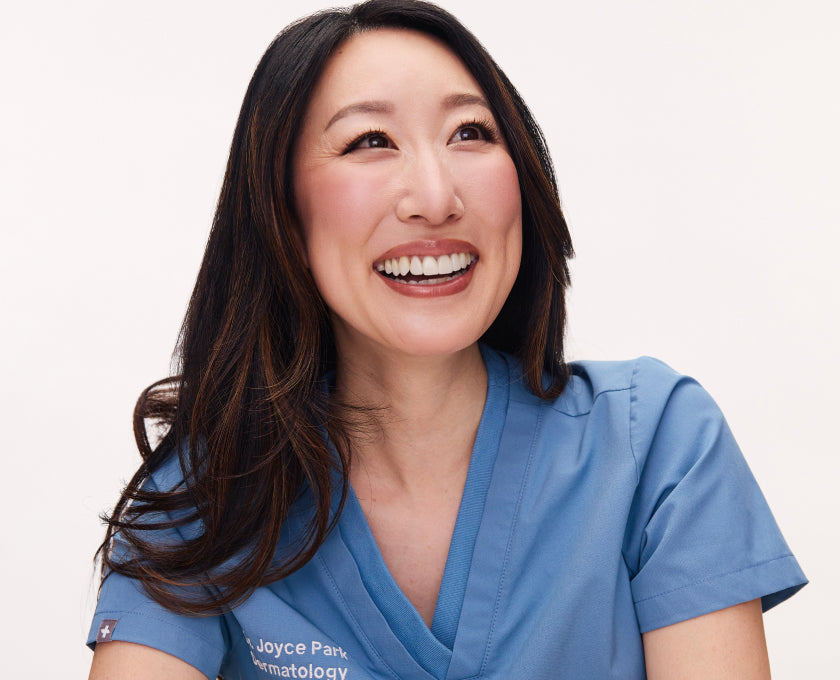
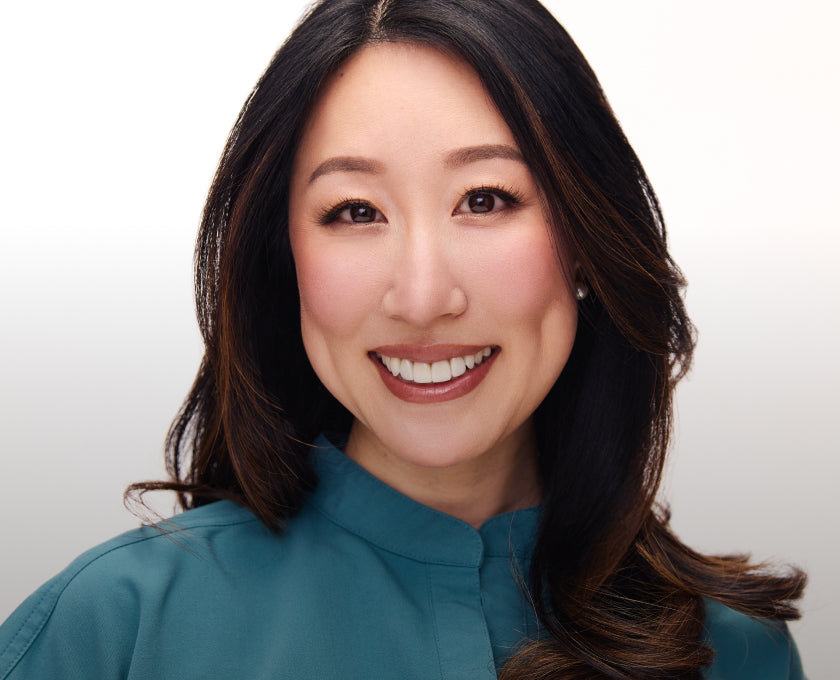
By Dr. Joyce Park, MD, Board-Certified Dermatologist & Founder of Kerativ
Most of what I see in clinic isn't strictly a product problem. It's a habit problem. You don't need to have a 10 step scalp and hair routine, but you do need the right products to work, alongside healthy scalp and hair habits. What healthy scalp and hair habits? Read on to find out my dermatologist-approved top 5 healthy hair habits.
1. Wash your hair regularly.

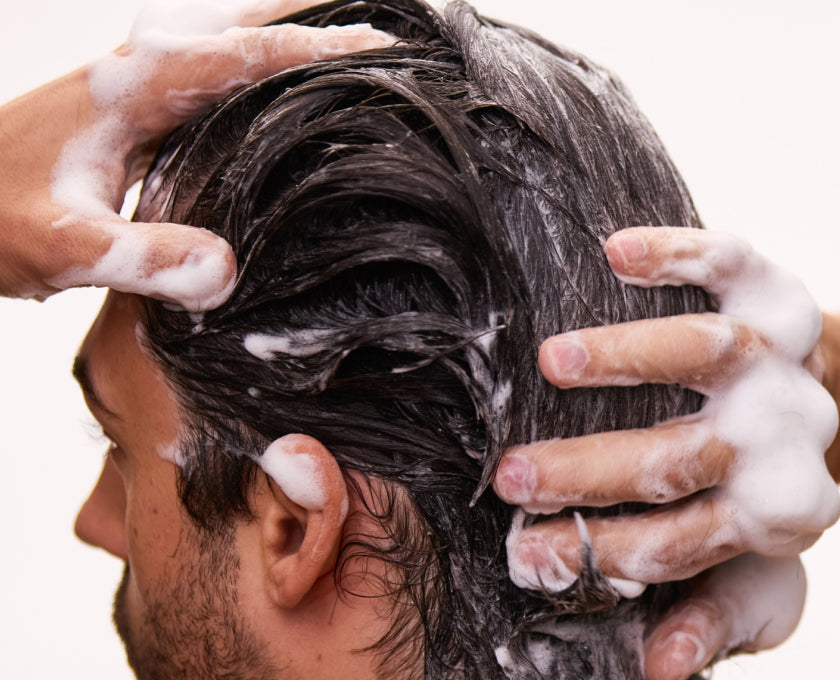
This is the biggest one. I have so many patients ask me about "training their scalp" to produce less oil by washing less often. Let me be clear: this is a myth!
Sebum production is controlled by hormones, genetics, and the activity of your oil glands. It doesn't decrease because you skip shampoo. What does happen when you go long periods without washing? Oil, sweat, and product build up. That buildup creates an environment where Malassezia yeast thrives, which can worsen dandruff and irritation. Inflammation around the follicles can also contribute to increased shedding.
A clean scalp is a healthy scalp. Regular washing removes buildup, reduces irritation, and supports the conditions needed for healthy hair growth.
How often you should wash your hair also depends on your scalp and hair type. If you have dry scalp and hair, you may be able to go longer without washing than those with oily scalps. Your lifestyle also affects wash frequency. If you're someone who regularly works out and sweats (think: hot yoga, rigorous cardio!) you may benefit from more regular washing than someone who does not sweat often.
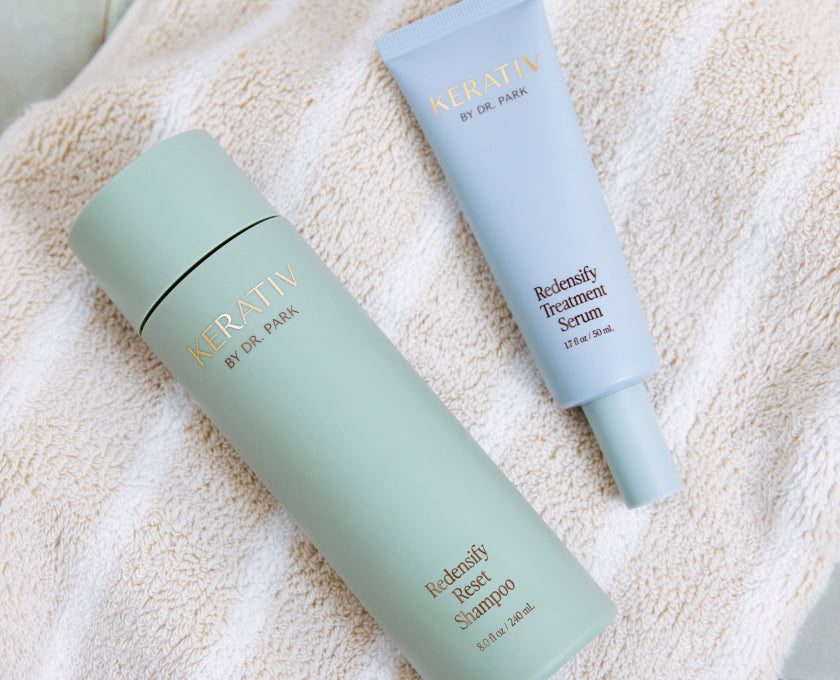
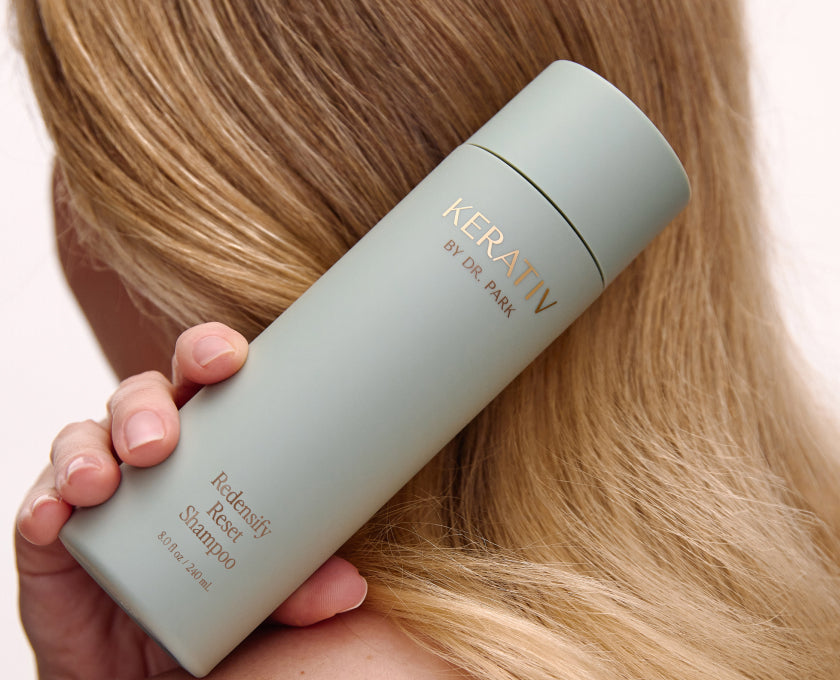
This is exactly why I formulated the Redensify Reset Shampoo. It cleanses without stripping, rebalances the scalp microbiome, and supports the foundation for fuller-looking hair.
Now of course if you are seeing lots of hair shedding regardless of wash frequency, you should consider seeing a dermatologist to evaluate for underlying conditions such as telogen effluvium, female pattern hair loss, and more.
2. Ease up on the daily slicked-back styles.
I love a slicked-back bun and high pony, but wearing your hair in these styles every day can lead to thinning.
The hairline is the most vulnerable area for traction-related thinning. When you pull hair tight in the same spot repeatedly, the follicles take the brunt of it. Over months and years, they weaken. This can lead to preventable hair loss.
If you love the slicked-back look, alternate it with looser styles. Use silk or satin scrunchies that grip less. Give your hairline time to recover between tight days.
3. Towel dry with microfiber, then brush from the ends up.

Wet hair is the most fragile state hair can be in. The cuticle is open, the strand is heavier, and rough handling at this stage is one of the biggest causes of breakage I see.
Start with a microfiber towel. It absorbs water faster and reduces friction compared to a regular towel, which means less stress on already-fragile strands.
When you brush, start at the ends. Work out the tangles there first, then move up the strand a few inches at a time. By the time you reach the roots, the hair is already detangled. A wide-tooth comb or a wet brush works better than a regular brush at this stage. Less tension, less breakage.
4. Always use a heat protectant.
Heat styling without a heat protectant undoes a lot of the work you're doing for your hair.
The temperatures most styling tools reach are high enough to damage the cuticle, weaken the strand, and contribute to breakage over time. Blow dryers, flat irons, curling irons. They all do damage to unprotected hair.
A heat protectant creates a buffer between the tool and your hair that meaningfully reduces damage. Apply it to damp or dry hair before any tool touches it. If you're going to style with heat, the protectant is part of the routine. Not optional!
5. Don't go to bed with wet hair.
This one comes up so often I had to include it.
Hair that stays wet for hours sits in its most fragile state. Friction from the pillow all night, especially when you toss and turn, is one of the worst things for fragile hair. It can cause breakage you don't realize is happening until you see it in the morning.
There's another reason too. A damp scalp held against a pillow for hours creates an environment where bacteria can grow. We know how scalp health supports hair growth, and an unhealthy scalp environment can be detrimental for your overall hair health. Over time, this damp scalp environment affects follicle health, which is the foundation for healthier hair.
If you've washed your hair late, take time to dry it (or at least most of the way) before bed. A gentle blow dry on low heat with your heat protectant works. So does letting it air dry while you finish other things, then heading to bed dry.
What I Tell My Patients
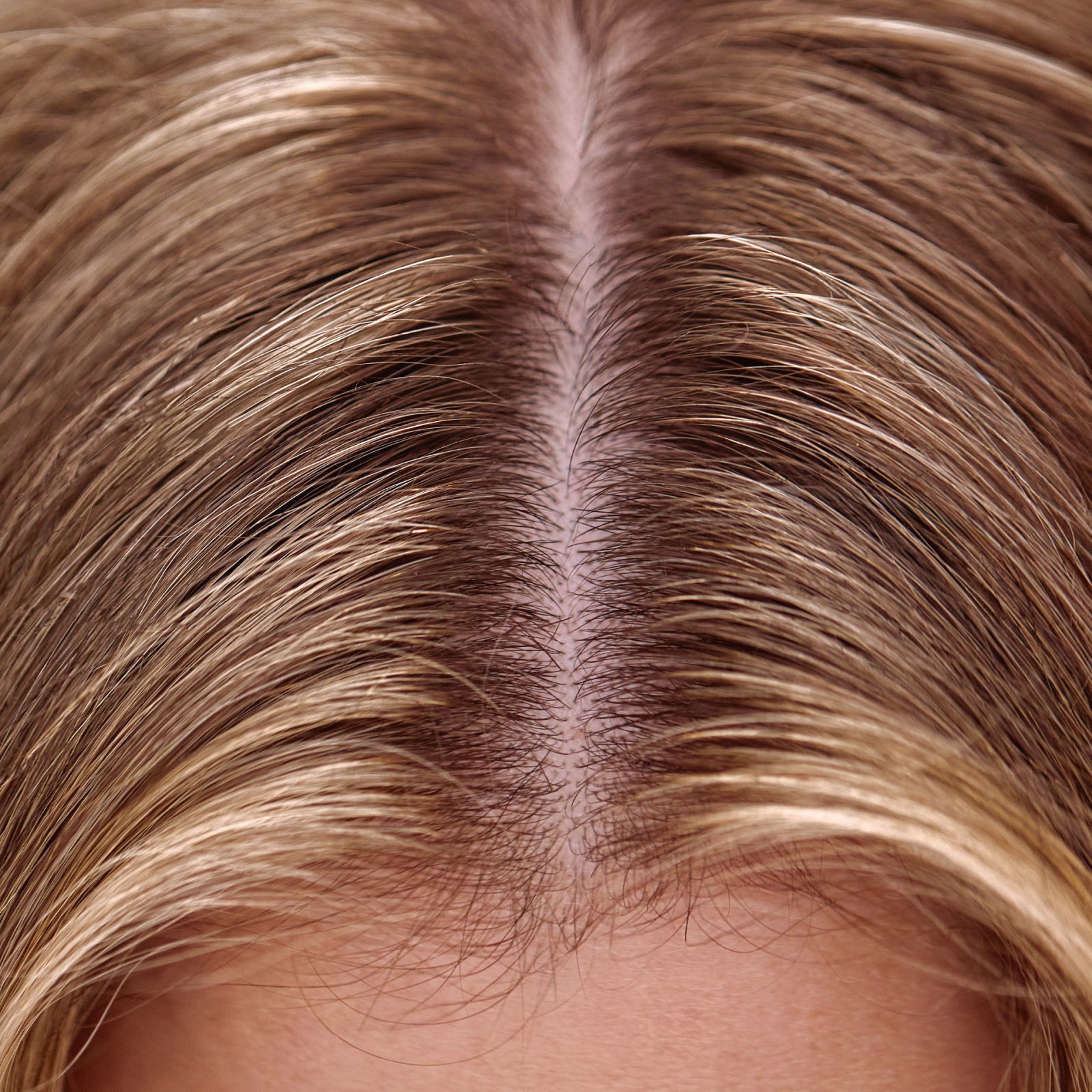
None of these habits will change what is happening at the follicle, so if your part is widening or your ponytail feels genuinely thinner than it did a year ago, do not spend six months perfecting your brushing technique and hoping it resolves. Come in, get a proper look and bloodwork, and rule out the things that actually respond to treatment. Habits protect the hair you already have, which is absolutely worth doing, but they are not a substitute for finding out why the hair is changing.
 Dr. Joyce Park Dermatologist & Founder of Kerativ

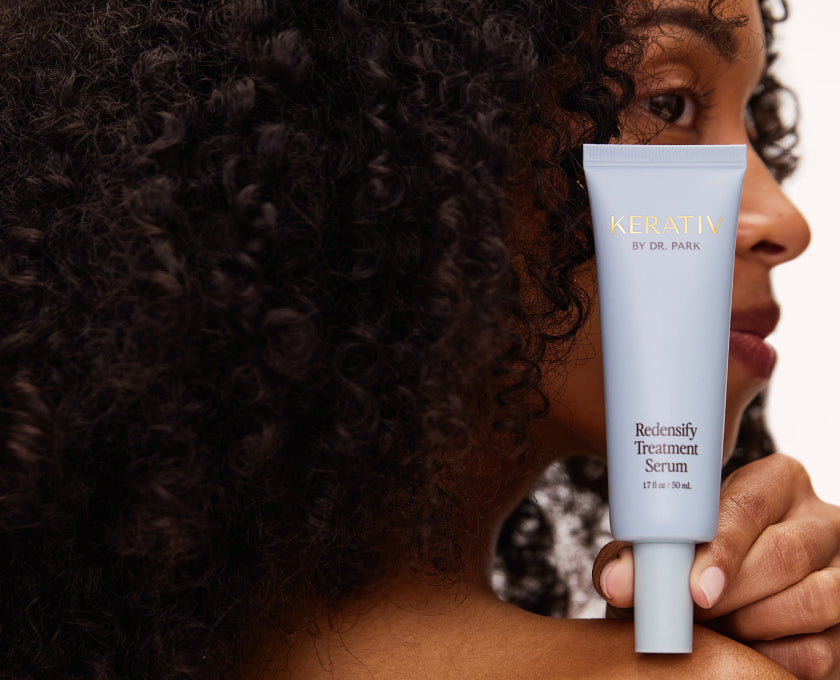
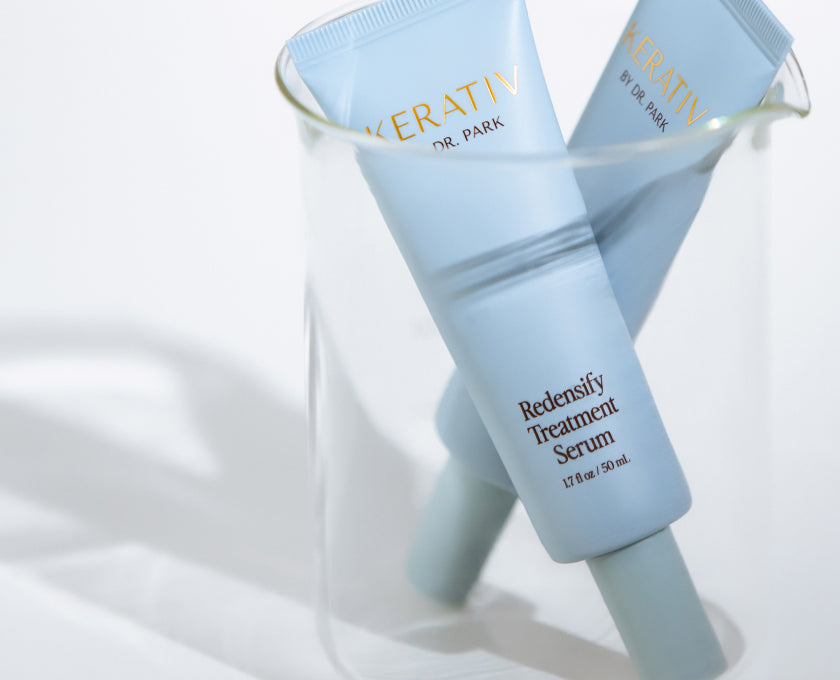
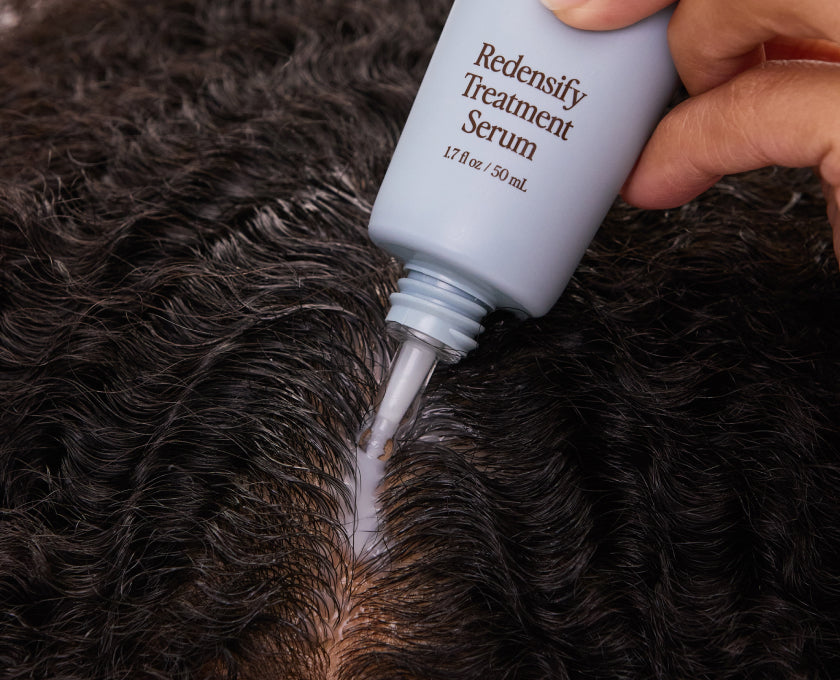
None of these habits feel huge on their own. Paired with the Redensify Reset Shampoo and Redensify Treatment Serum, they make a real difference. It always comes back to the same thing: consistency, and healthy habits.
What's Next
Now that you know what habits to incorporate into your daily life, head over to a dermatologist's routine for thinning hair, where I put the products into a five-step order. If you want to understand why the scalp matters so much in the first place, start with how scalp health supports hair growth.
Frequently Asked Questions
Do silk or satin pillowcases actually help?
They can help with friction, which means less breakage and fewer tangles in the morning. That is a real benefit, especially if your hair is fragile or you toss and turn while you sleep. What they will not do is affect shedding or density, because those are driven by what is happening at the follicle. Think of a silk pillowcase as protecting the hair you already have rather than growing more of it. Small, low-effort, but worth doing.
Does wearing hats or a helmet cause hair loss?
No, and I get asked this constantly! A hat does not suffocate your follicles or cut off circulation. What can cause a problem is tension, so a hat or helmet worn very tight, in the same spot, every day for years falls into the same category as a tight ponytail. The other thing worth watching is hygiene. A sweaty helmet liner that never gets washed can irritate the scalp and even cause breakouts where you sweat under occlusion. Wash the liner, loosen the fit, and the hat itself is fine.
Is scalp massage worth doing?
It is reasonable to do and unlikely to hurt, but I would set expectations carefully. There is some early evidence that regular mechanical stimulation may support the scalp environment, and it feels good, which helps people stay consistent. What I would not do is rely on massage alone to change density. If you are already applying a scalp serum twice daily, working it in with your fingertips for a minute gives you the massage for free.
How long before these habits make a visible difference?
Longer than you want, and that is the honest answer. Breakage-related changes show up fastest, so if you stop sleeping on wet hair and start using a heat protectant, you may notice less snapping and better-looking ends within a few weeks. Anything involving the follicle takes a full hair cycle, so think 3 months to start noticing and 6 for a fair assessment. None of these habits is dramatic on its own though. They compound!
Does taking biotin or other supplements help with healthy scalp and hair?
I joke that biotin has a great publicist because unless you are deficient in biotin, taking more really is not going to help or benefit your hair. Instead of focusing on biotin or other trendy supplements that don't have clinical evidence, I advise implementing the healthy scalp and hair habits mentioned in this blogpost to start, and if you still experience shedding or thinning, to meet with a dermatologist to rule out any underlying causes that require intervention.
Read more
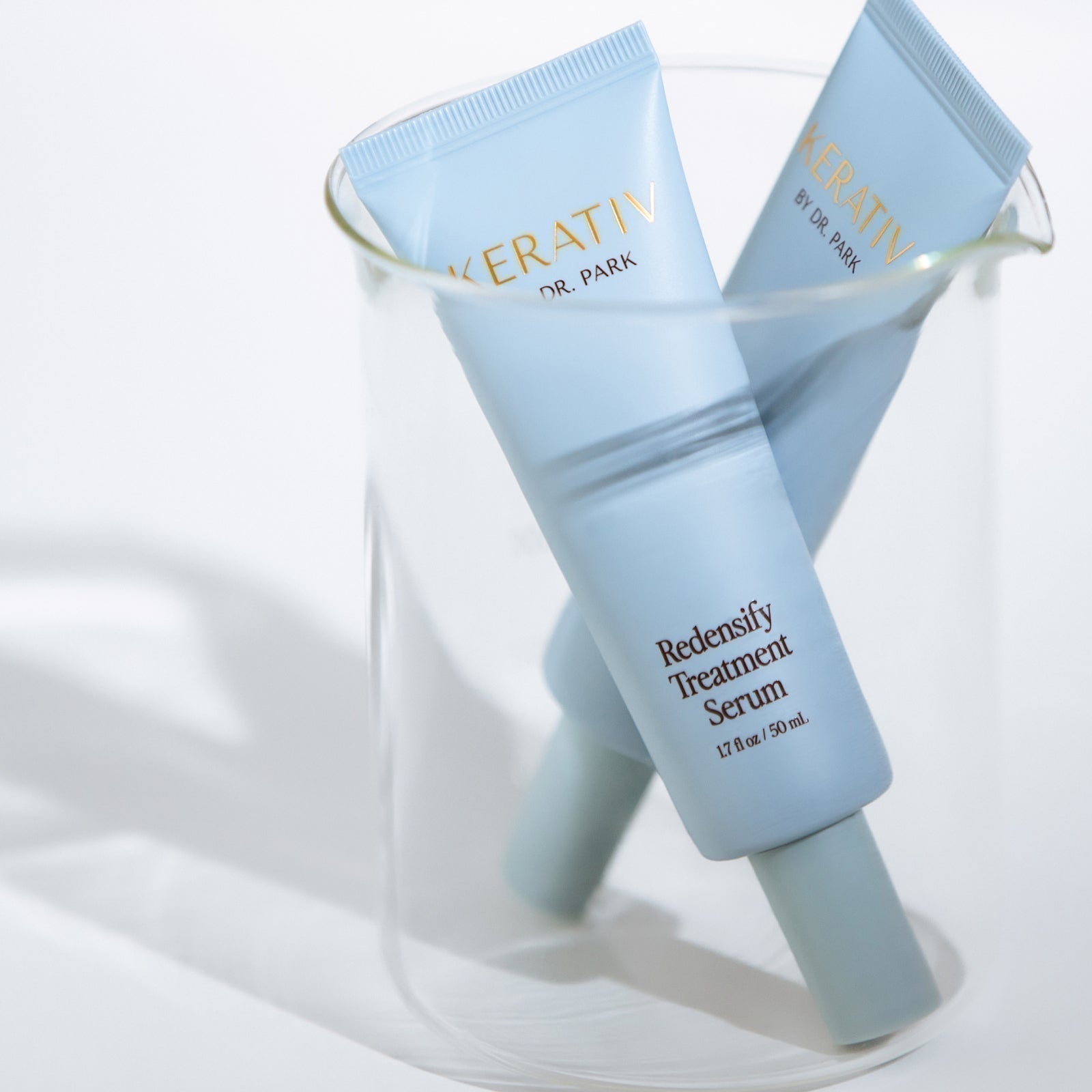
This is a first look at our 24-week clinical study evaluating the Kerativ Redensify Treatment Serum.
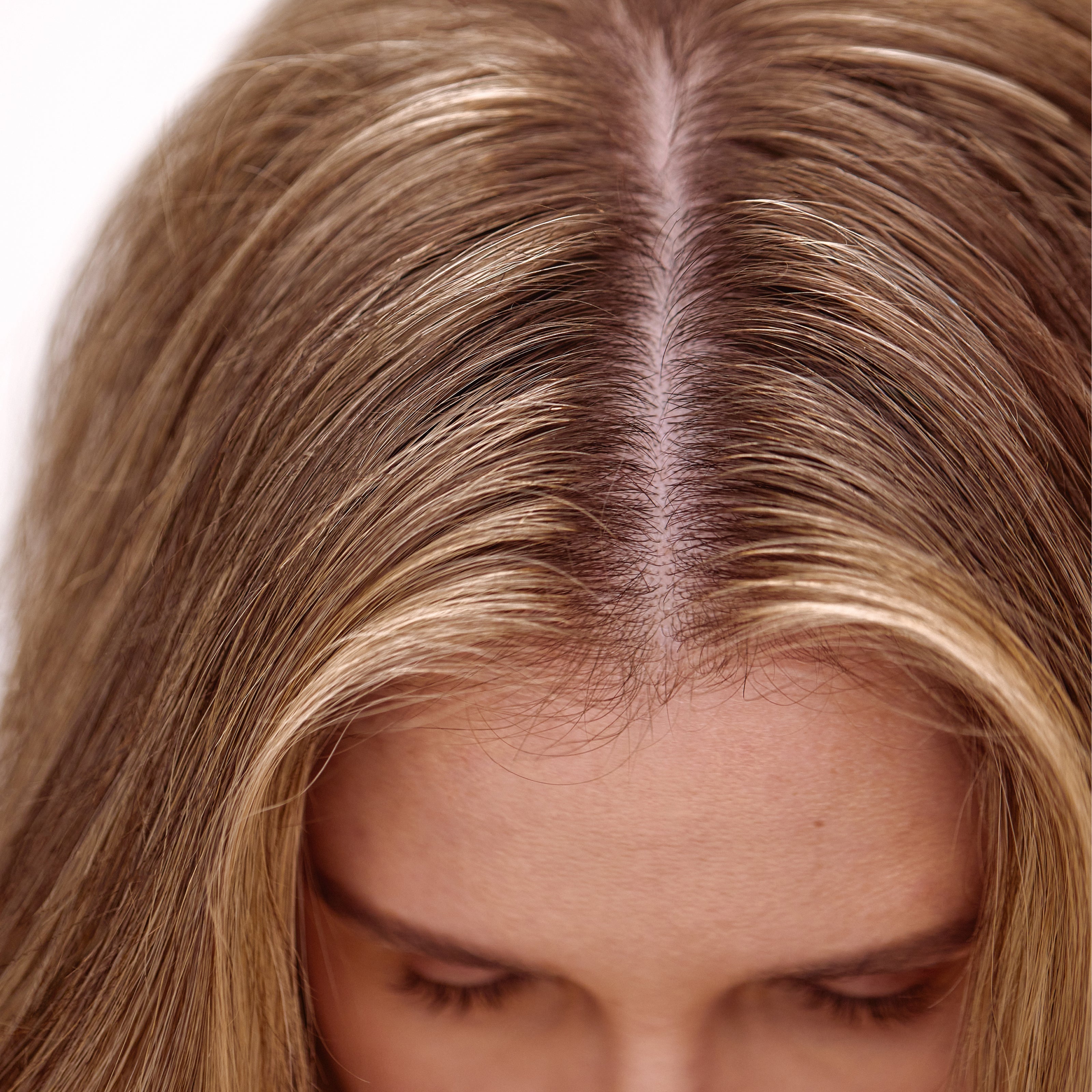
Female pattern hair loss is a gradual, genetically driven thinning that shows up as a widening part and reduced density at the crown. Dr. Park breaks down what to look for and how to treat it.