
Does Scalp Health Affect Hair Growth? Dr. Park Explains
Scalp Health and Hair Growth
Your Scalp is Skin Too, and Hair Follicles Live Inside It
Yes. The scalp is living skin and hair follicles sit inside it, so barrier function, oil balance, and the microbiome all shape how consistently hair grows. A disrupted scalp will not cause hair loss on its own, but it can worsen shedding and produce weaker strands. Supporting the scalp is the foundation everything else builds on.
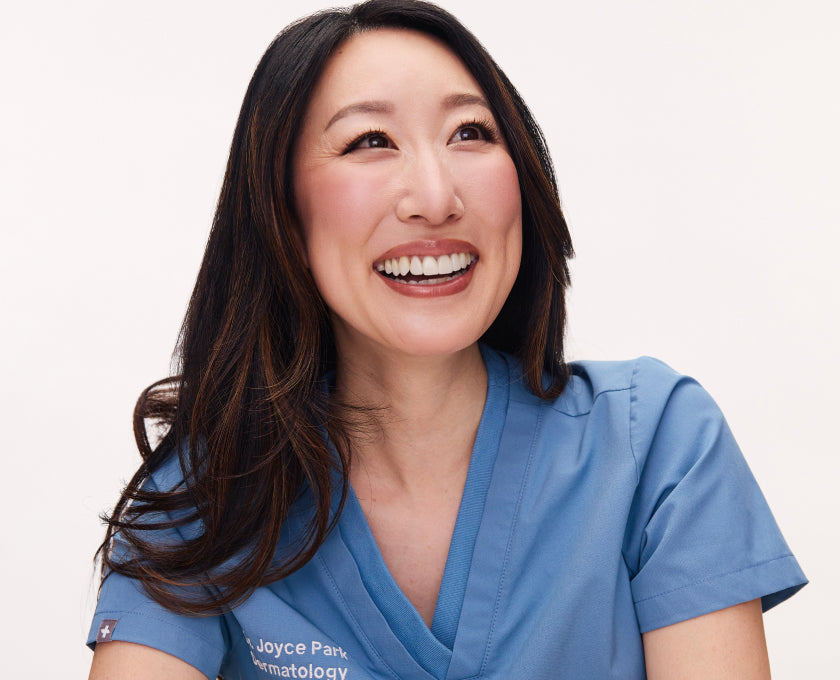
By Dr. Joyce Park, MD, Board-Certified Dermatologist & Founder of Kerativ
The condition of your scalp plays a central role in hair health and growth. Hair thinning and shedding are often treated as problems of the hair itself. But in many cases, the root of the issue is exactly that, the root.
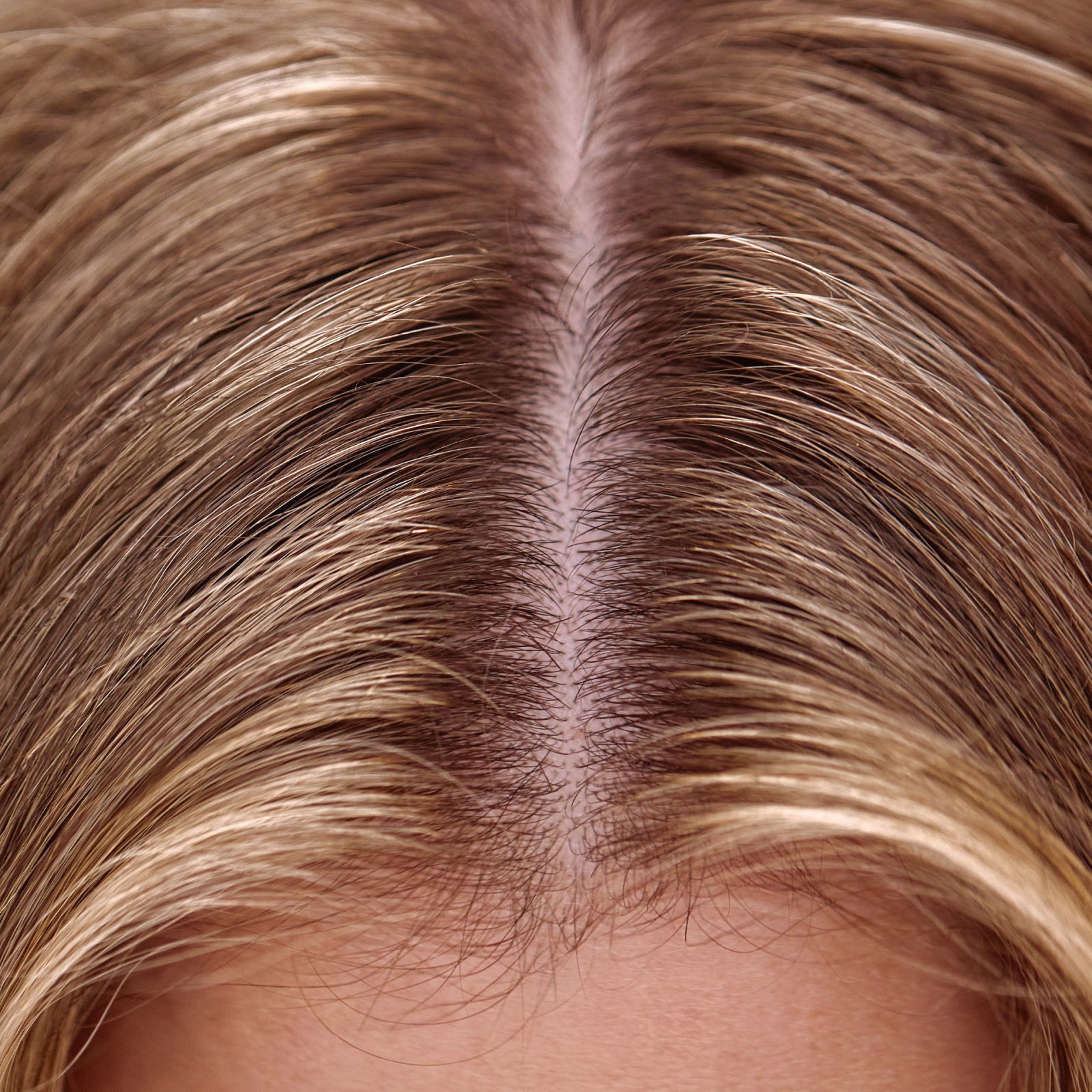
The scalp is living skin. Its condition shapes the environment where hair grows, directly influencing how follicles function and how well they support density over time.
To understand why that matters, it helps to first define what a healthy scalp actually looks like.
What Does a Healthy Scalp Look Like?

A healthy scalp is not just about cleanliness. It is about balance.
Your scalp is made up of skin with hair follicles embedded within it. These two work together as a system. The surrounding skin helps protect and regulate the follicle.
In a healthy scalp environment, the microbiome remains stable and helps support the skin's natural defenses. Oil production is well regulated, which helps keep the scalp comfortable without excess buildup or dryness. The skin barrier is intact, allowing it to retain moisture, minimize water loss, and protect against external irritants that can trigger sensitivity or flaking.
When these systems are functioning well, the follicle is better able to maintain its normal cycle of growth, transition, and rest. Under normal conditions, between 85 and 95 percent of follicles are in the growth phase at any given time. That matters because disruptions in the surrounding scalp environment can create stress around the follicle and interfere with how consistently hair grows.
A healthy scalp helps support the conditions follicles need to produce strong, resilient strands.
Signs Your Scalp Is Out of Balance

| Sign | What you notice | What it suggests |
|---|---|---|
| Microbiome disruption | Itching, flaking, or increased sensitivity | The scalp is not regulating itself properly, creating a less supportive environment for the follicle |
| Barrier disruption | Scalp feels tight, dry, or easily irritated | Moisture escapes and irritants penetrate more easily, which can lead to inflammation around the follicle |
| Buildup and excess oil | Greasy feeling, heavy at the root, needing to wash more often | Buildup can congest the follicle opening and create a less optimal environment for growth |
Two of these are measurable rather than just felt. Barrier function and ceramide levels are measurably lower in dandruff-prone scalps, and Malassezia overgrowth drives dandruff and seborrheic dermatitis.
These changes may seem subtle at first, but over time they can interfere with how consistently hair grows and how strong each strand appears.
What I Tell My Patients
A healthy scalp will not override genetics, so if you are seeing a part line that keeps widening or a hairline that is moving back, no amount of scalp care on its own is going to change that. I would far rather you came in early than spent a year on products when what you really need is a different tool entirely. What scalp care does do is clear the obstacles, so that whatever else you are doing, whether that is minoxidil, or over the counter regimen, or a prescription your dermatologist has started you on, is working in the best possible environment.
 Dr. Joyce Park Dermatologist & Founder of Kerativ
How to Support a Healthy Scalp Environment

Supporting your scalp starts with treating it with the same care as you do for the skin on the rest of your body. One of the most effective ways to do this is by introducing a daily scalp serum.
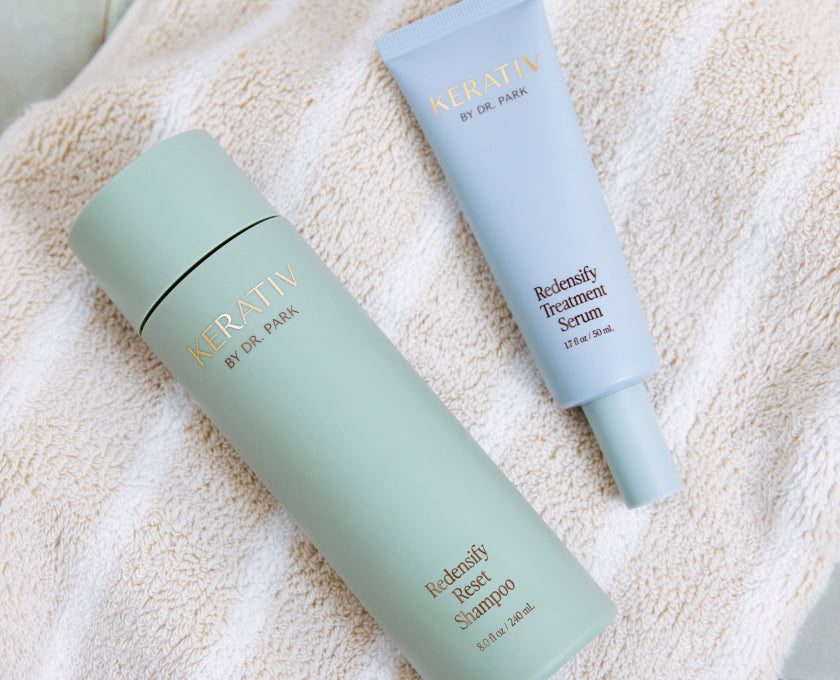
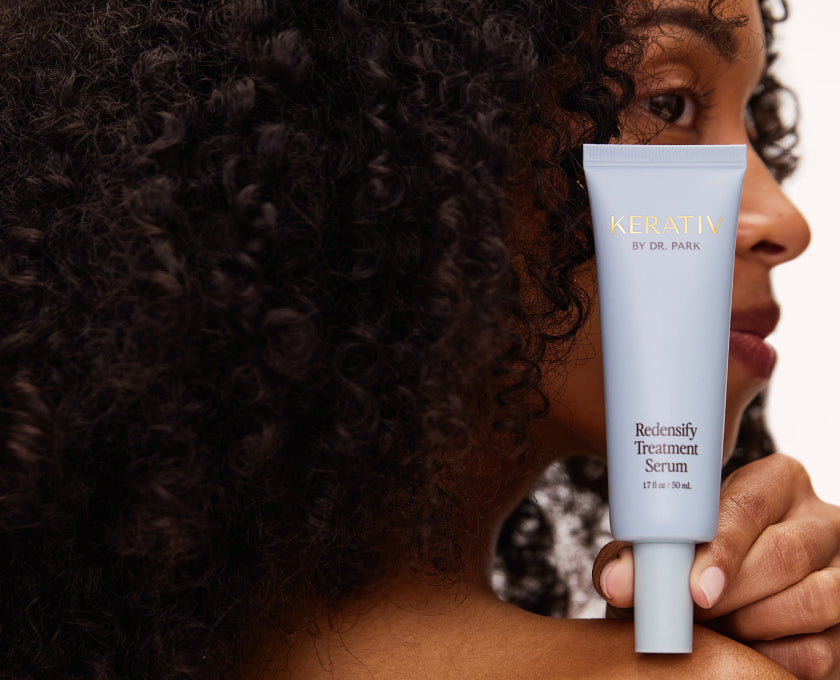
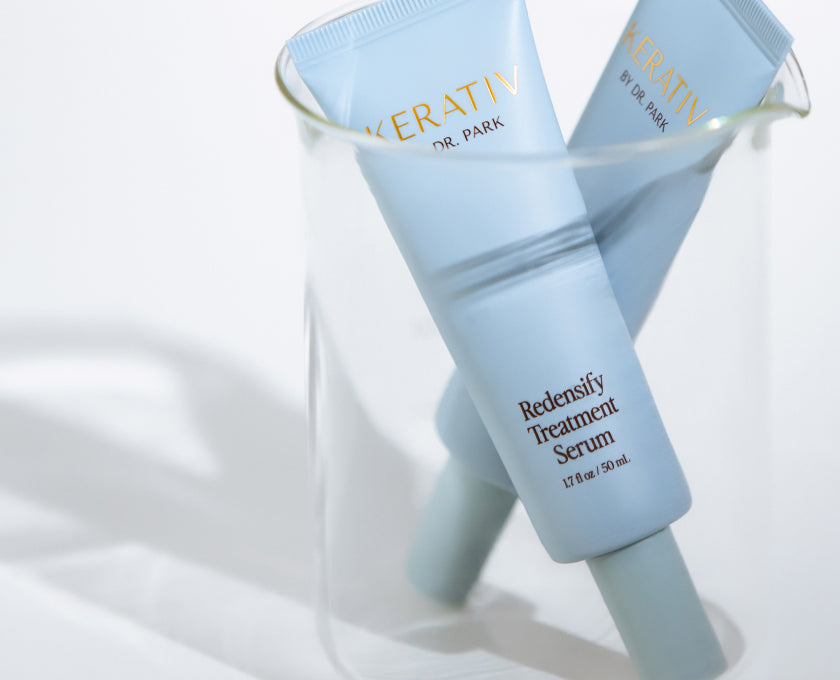
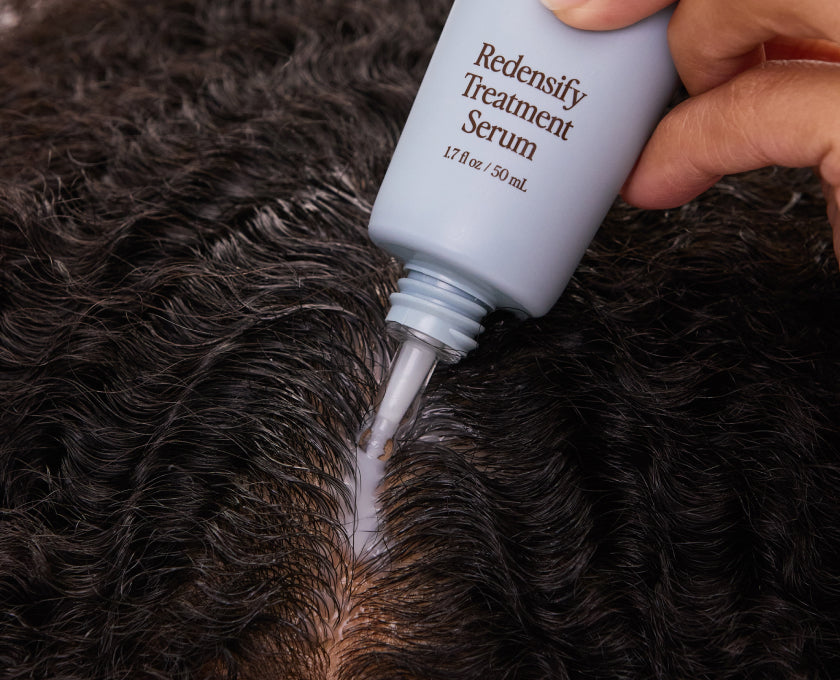
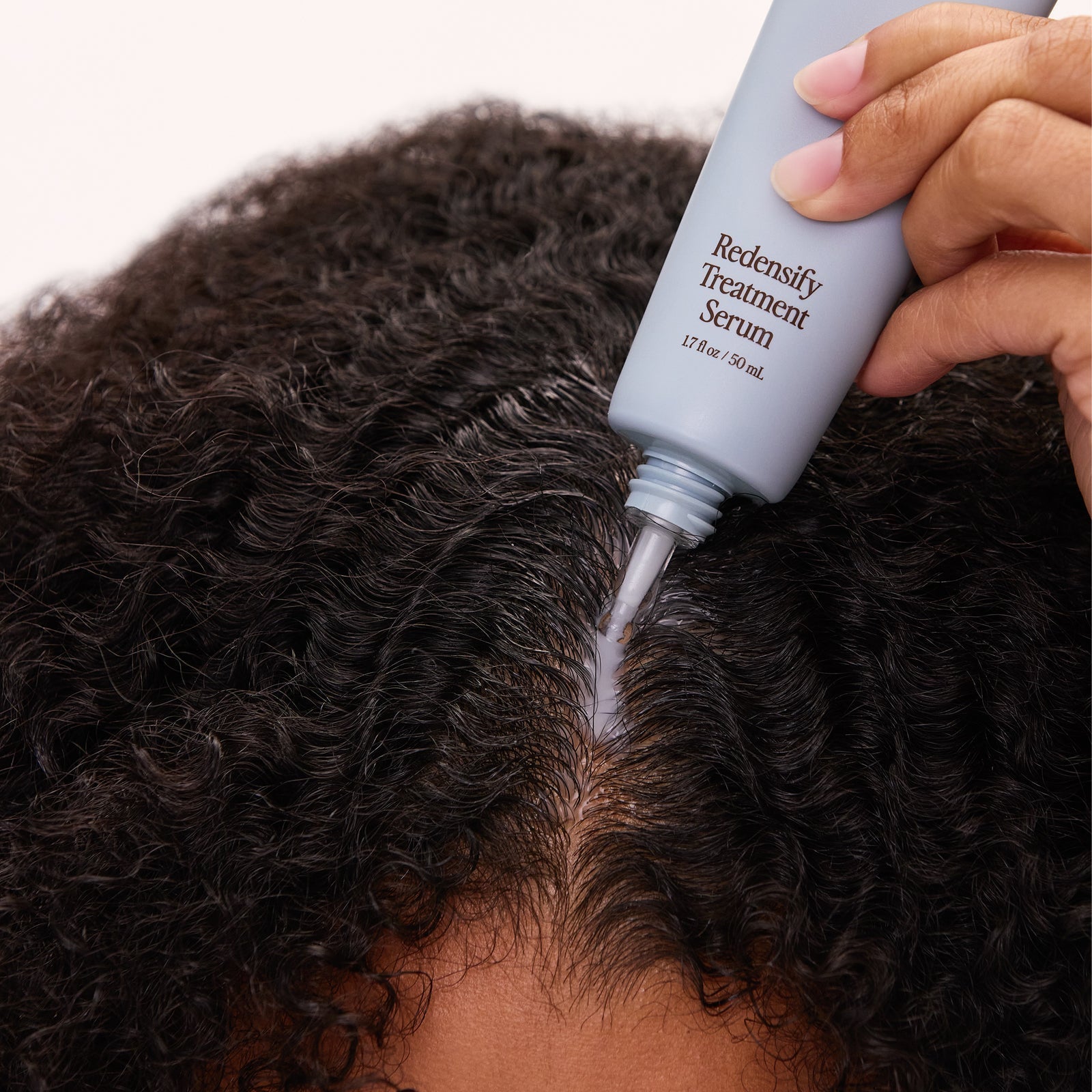
I formulated the Redensify Treatment Serum to support the scalp skin and follicles from multiple angles.
- First, it supports follicle health at the root. A combination of 3% Redensyl and 1% Kopexil helps support visible hair density and reduce the appearance of shedding over time. Redensyl helps support the hair growth cycle by promoting conditions that favor density, while Kopexil helps maintain a healthy follicle environment by preventing the hardening of collagen around the follicle and supporting a longer growth phase.
- Second, it helps maintain a healthy scalp barrier and support skin renewal. Ingredients like panthenol and ectoin provide lightweight hydration to support moisture retention and keep the scalp feeling comfortable without heaviness. We also included a low level of a third-generation retinoid, adapinoid, to support gentle skin cell turnover on the scalp without causing irritation. Because adapinoid is a retinoid, use sunscreen and take sun protective measures during the day.
- Third, it supports overall scalp function through our proprietary TrichoCore Complex. This includes caffeine to help stimulate the scalp environment, zinc PCA to help regulate excess oil, adenosine to support thicker-looking strands, and pumpkin seed extract, which has been shown to support improvements in hair density and visible hair growth when used topically.
Consistency is what drives results, and that is where this serum stands apart.
Beyond the formulation itself, it was designed to fit easily into your daily routine. The lightweight, fast-absorbing texture makes it simple to apply in the morning after your skincare routine or at night while brushing your teeth, without disrupting your hair or feeling heavy on the scalp.
And lastly, if you are looking to add additional scalp support in a simple, low-effort way, it is worth looking at your shampoo.
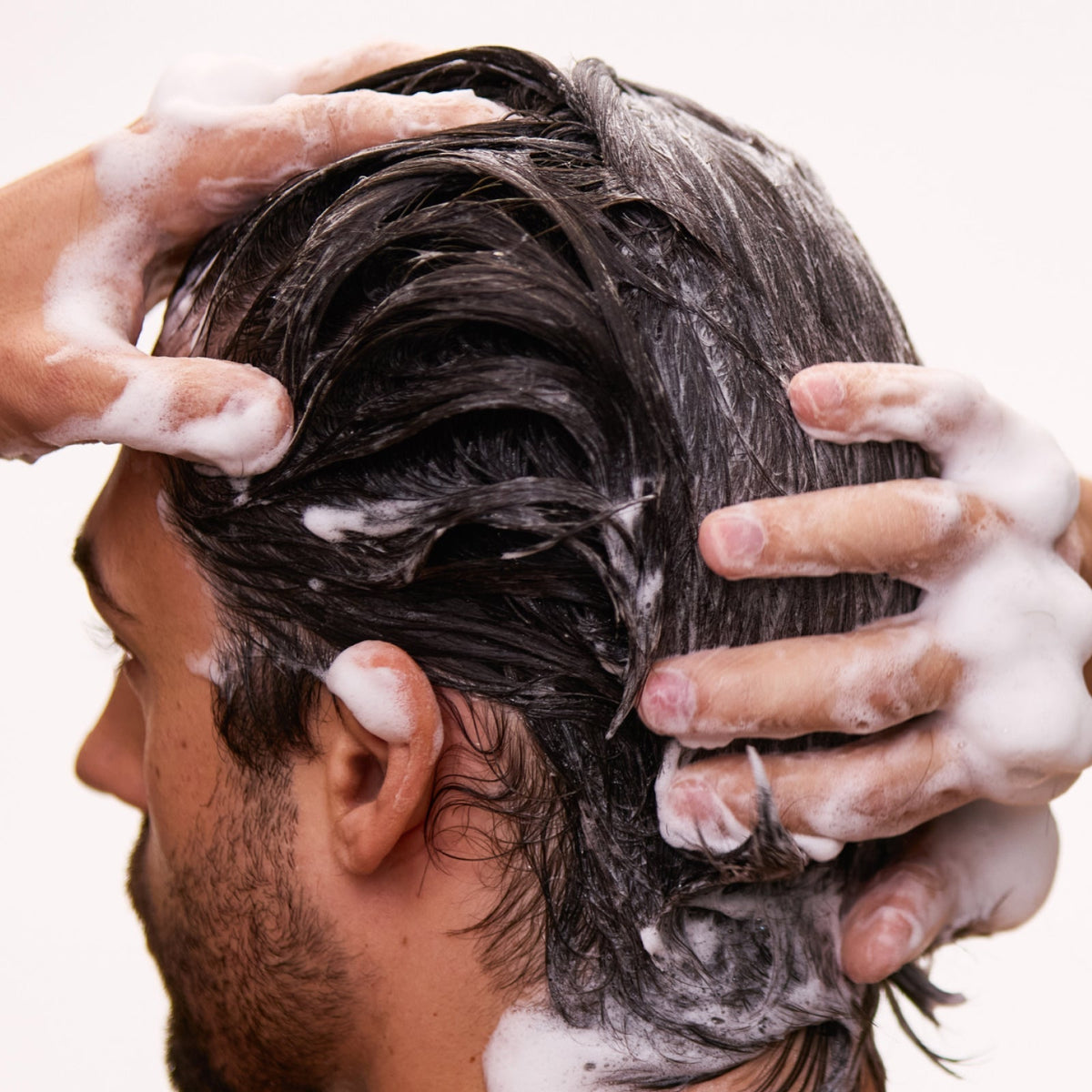
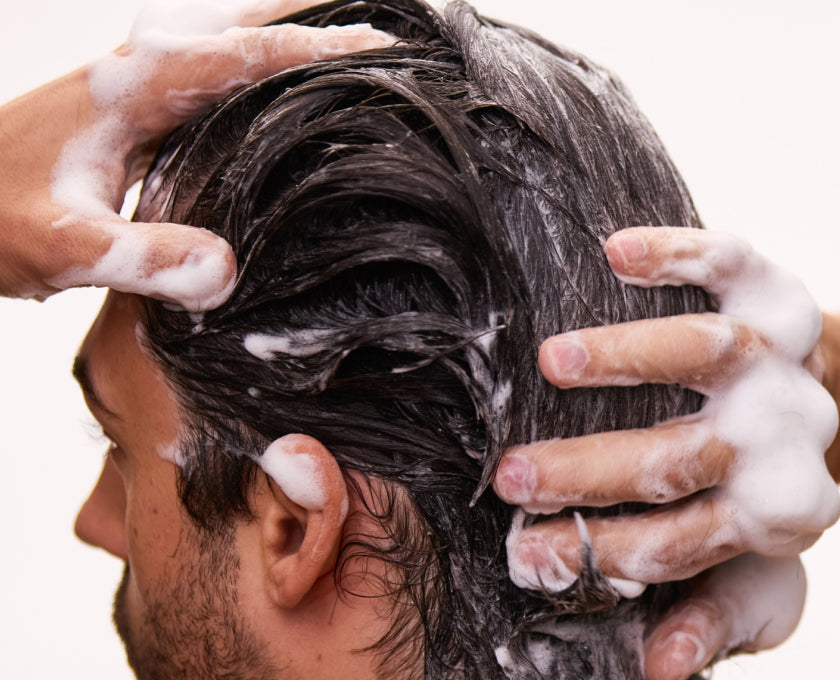
Cleansing plays an important role in maintaining a healthy scalp environment. A well-formulated shampoo should remove buildup, support microbiome balance, and cleanse without stripping the scalp. If you want the full picture on that, can shampoo actually help with hair loss covers what a cleanser can and cannot do.
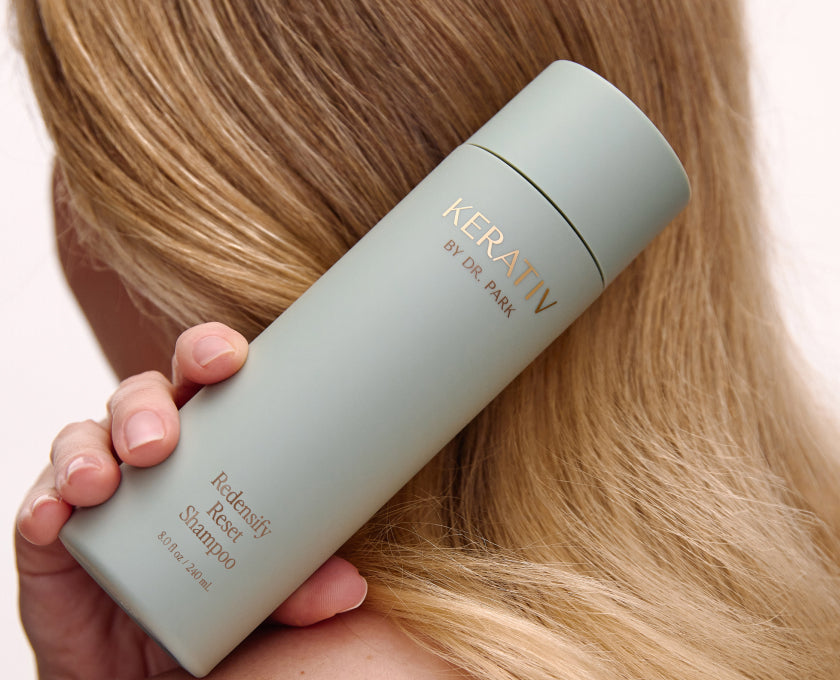
The Redensify Reset Shampoo was designed to work alongside the serum. It includes our TrichoCore Complex, along with chlorella prebiotic to support the scalp microbiome and velvet flower seed extract to support the appearance of increased hair thickness.
As with any aspect of hair care, consistency matters. Hair growth is gradual, and changes in the scalp environment take time to reflect in the hair. As the scalp becomes more balanced and supportive, follicles are better able to function consistently, leading to stronger, healthier-looking strands over time.
What's Next
If you want the practical version of all this, a dermatologist's routine for thinning hair turns it into five steps. For the cleansing side specifically, can shampoo actually help with hair loss covers what a cleanser can and cannot do. And if your hair is shedding rather than thinning gradually, telogen effluvium is the place to start.
Frequently Asked Questions
What does scalp pH actually mean, and does it matter?
A healthy scalp sits at roughly pH 5 to 6, which is mildly acidic, and that acidity is part of how the skin keeps its barrier intact and its microbial population balanced. Harsh cleansers that push the scalp toward alkaline can leave it feeling tight and reactive, which is where the tightness people describe after washing usually comes from. That said, I would absolutely not go buying pH strips. If your scalp feels comfortable after washing and is not flaking or itching, the pH is fine and you don't need to worry about this.
Can you have a perfectly healthy scalp and still lose hair?
Absolutely, and as a dermatologist, I want to highlight this point: androgenetic alopecia (female or male pattern hair loss), telogen effluvium after a stressor, thyroid disease, and iron deficiency all happen in scalps that look and feel completely normal, because the driver is internal rather than on the skin surface. Scalp care creates a better environment for the follicles you have, but it is not a substitute for figuring out why the hair is thinning. If your scalp feels fine and your hair is still changing, that is a reason to see a dermatologist sooner rather than later.
Does scalp buildup physically block hair from growing?
Not in the way it is usually described. Product and oil buildup does not form a cap that hair cannot push through, and you will not unblock a follicle and see a hair pop up. What buildup does is create an environment where yeast thrives and the skin becomes irritated. It is that low-grade inflammation around the follicle, sustained over months, that can shorten the growth phase and contribute to shedding. So it matters, just through a slower and less dramatic mechanism than the marketing suggests.
How do I tell a dry scalp from dandruff?
Dry scalp flakes tend to be small, fine, and white, the skin feels tight, and it usually improves when you wash less aggressively or add moisture. Dandruff and seborrheic dermatitis produce larger, oilier, yellowish flakes, often with redness underneath and itching, and they get worse rather than better when you simply moisturize. The practical test is what happens when you use a medicated shampoo with zinc pyrithione or ketoconazole for a few weeks. If it clears, it was likely seborrheic dermatitis. If nothing changes, or the scalp is painful, scaly in defined patches, or losing hair in those spots, stop guessing and get it examined by a dermatologist.
Does the scalp need sun protection?
Yes, and it is one of the most commonly missed spots! When was the last time you used SPF on your scalp? The part line and any area where hair has thinned get meaningful UV exposure, and the scalp is a site where skin cancers are both common and often caught late. A hat is the easiest answer. If you are using any retinoid on the scalp, including the Adapinoid in the Redensify Treatment Serum, daily sun protection is not optional, because retinoids increase sun sensitivity.