

Can Shampoo Actually Help with Hair Loss?
Shampoo and Hair Loss
What a Shampoo Can and Cannot Do for Thinning Hair
Shampoo cannot treat the internal causes of hair loss, and no cleanser actually regrows hair. What a well-formulated shampoo can do is remove buildup, calm inflammation, and support the scalp barrier, which creates a better environment for the follicles you already have. That matters most when dandruff or seborrheic dermatitis is driving the shedding.
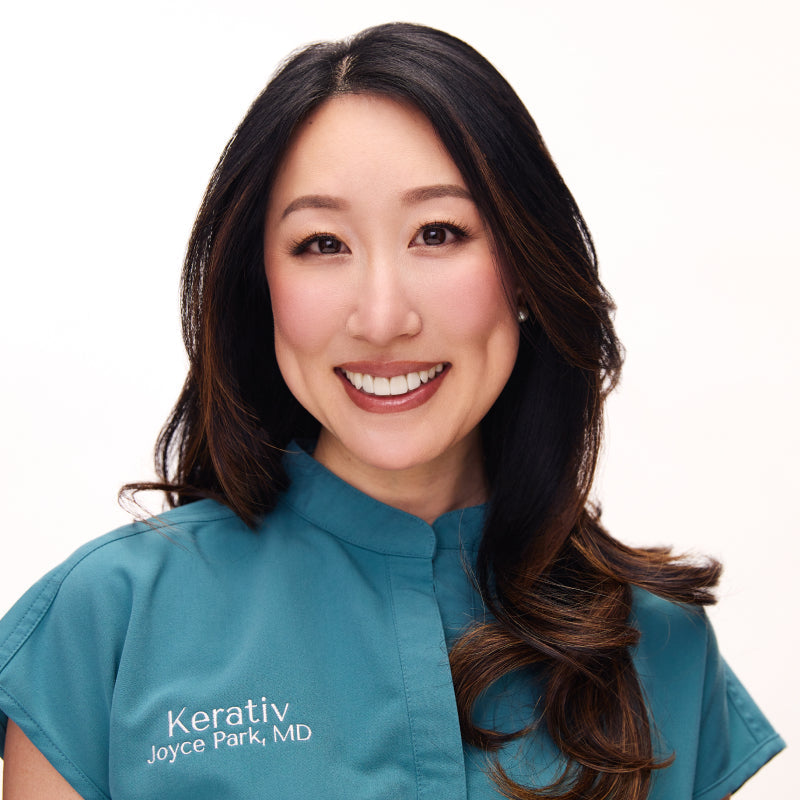
By Dr. Joyce Park, MD, Board-Certified Dermatologist & Founder of Kerativ
I hear this question from my patients all the time. Someone will come in worried about shedding or thinning and ask whether switching their shampoo could make a real difference.
Like most things, the answer is, “It depends.”

Shampoo is not a cure for hair loss.
However, a thoughtfully formulated shampoo can improve the scalp environment and support overall follicle health, which may help promote stronger, more resilient hair over time.
To understand how, it helps to step back and talk about what is actually happening on the scalp.
What Is Actually Happening on Your Scalp?

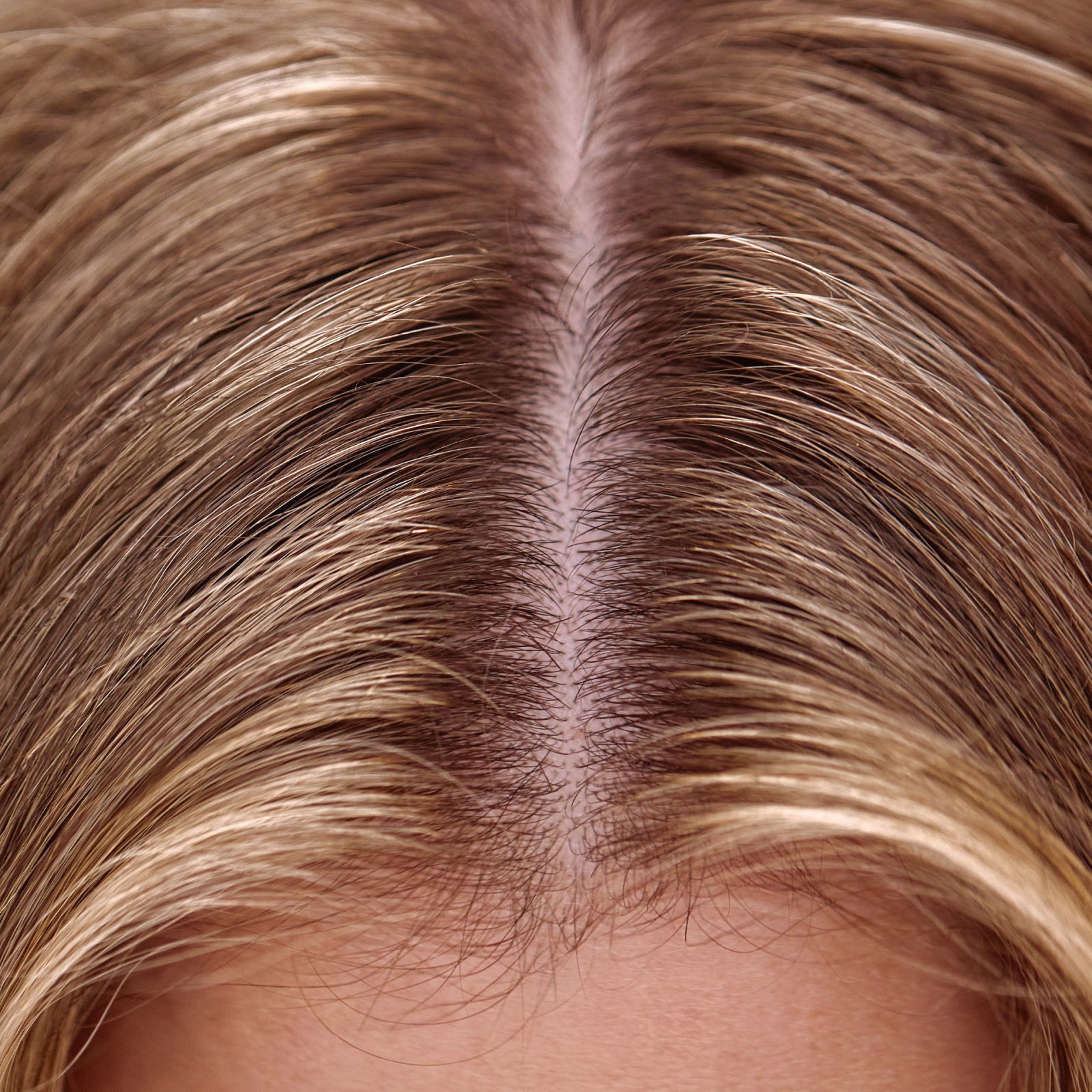
Hair grows from follicles that sit within the scalp. Each follicle cycles through phases of growth (anagen), transition (catagen), and rest (telogen). That cycle is influenced by hormones, genetics, inflammation, and the overall health of the surrounding skin.
When the scalp environment is balanced, follicles are able to move through their normal growth cycle. When the scalp is chronically inflamed, congested with excess oil and buildup, or disrupted by yeast overgrowth, that environment changes.
In many forms of hair shedding, inflammation around the follicle can disrupt the normal hair cycle. When the follicle environment becomes inflamed or stressed, the growth phase (anagen) may shorten and a larger proportion of hairs can shift into the resting phase (telogen) at the same time, which leads to noticeable shedding. I see this commonly in clinic after patients undergo major physiologic stressors such as childbirth, significant illness, rapid weight loss, or starting certain medications, including GLP-1 agonists. Excess oil and debris can also accumulate around follicular openings, further irritating the scalp. Over time, chronic inflammation may contribute to gradual follicle miniaturization, which means the follicles slowly shrink and begin producing thinner, shorter hairs with each growth cycle.
Keep in mind that many forms of hair loss are driven by internal factors like hormones or genetics. Still, follicles rely on a healthy scalp environment, and the scalp barrier is measurably disrupted in dandruff, so when that balance is lost, growth can suffer. This is where shampoo plays a key role.
When Can Shampoo Help With Hair Loss?
In cases where shedding is related to inflammation from significant dandruff, I often recommend a medicated shampoo with Ketoconazole to reduce excess yeast and calm the scalp. Medicated shampoos with ketoconazole or zinc pyrithione have both been studied directly for this.
But visible flaking is not the only sign of imbalance. Even without dandruff, scalp health still matters. Excess oil, buildup, and disruption of the scalp microbiome can create conditions that are less supportive of healthy hair growth.
Not everyone needs a medicated formula. Many people benefit from a shampoo designed to cleanse thoroughly, remove buildup, and support microbiome balance without stripping the scalp.
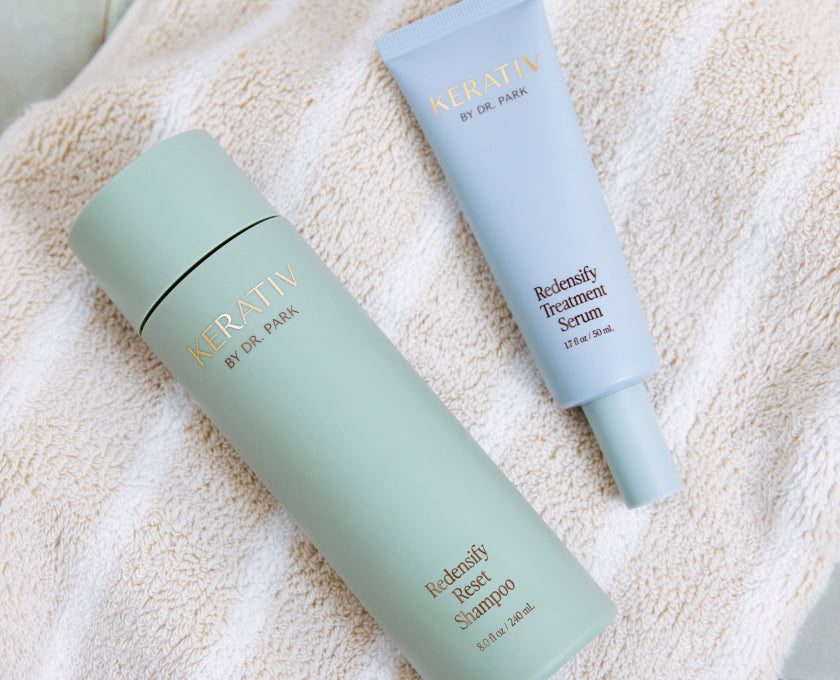
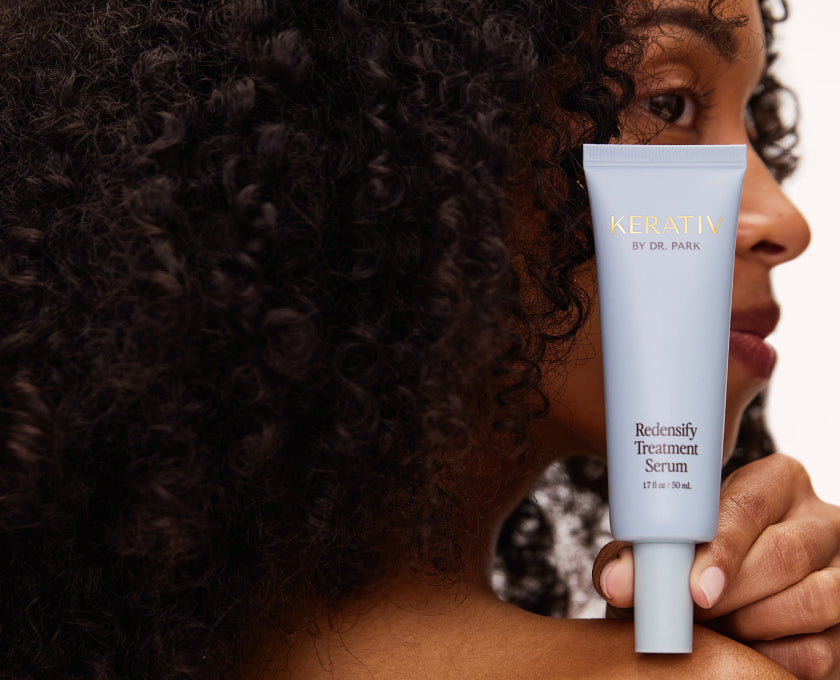
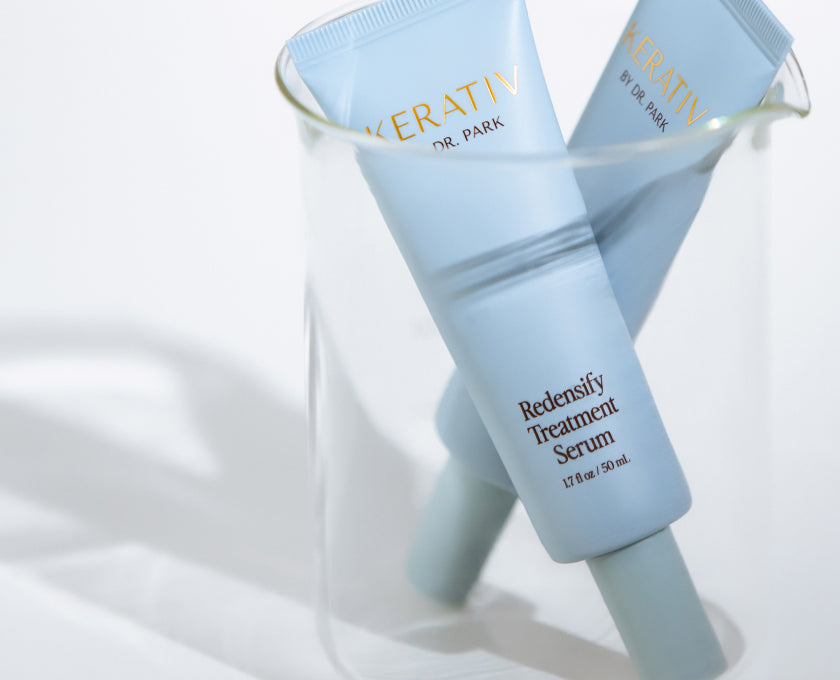
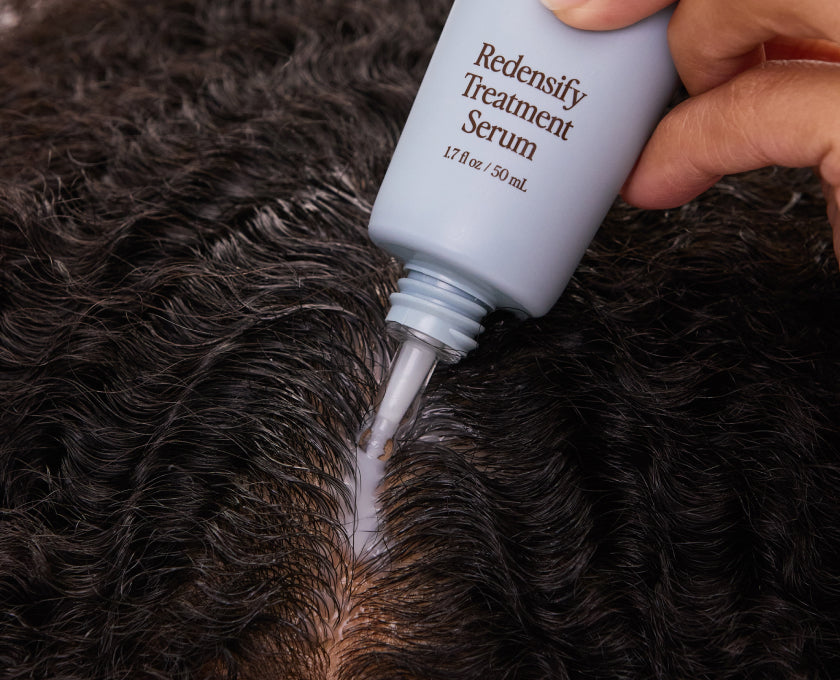
That is the philosophy behind the Redensify Reset Shampoo. I formulated our shampoo to work alongside our Redensify Treatment Serum because proper scalp cleansing is foundational, and before applying a leave-on treatment it is important to start with a clean base.
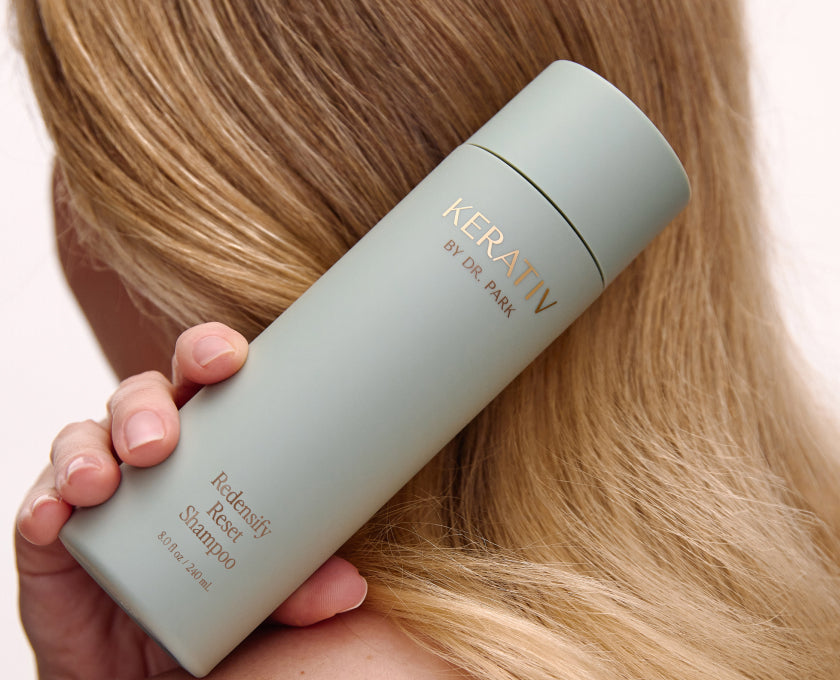
I formulated Redensify Reset Shampoo with Chlorella Prebiotic to help support microbiome balance, while Velvet Flower Seed Extract has been shown to support the appearance of increased hair diameter. Our proprietary TrichoCore Complex includes Zinc PCA to help regulate excess oil and support scalp balance, Caffeine to help promote circulation around the hair root, and Pumpkin Seed Extract, which nourishes and fortifies hair from root to tip.
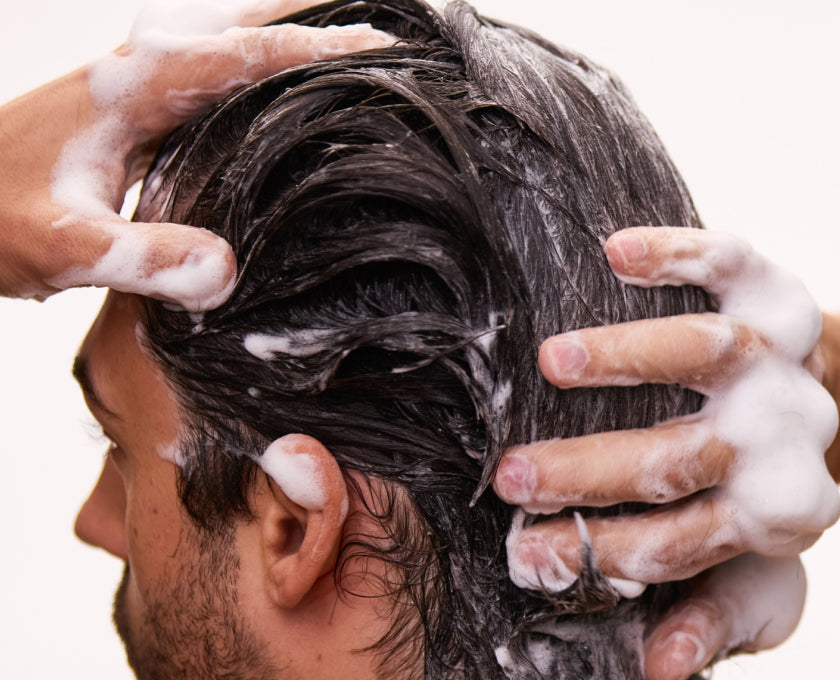
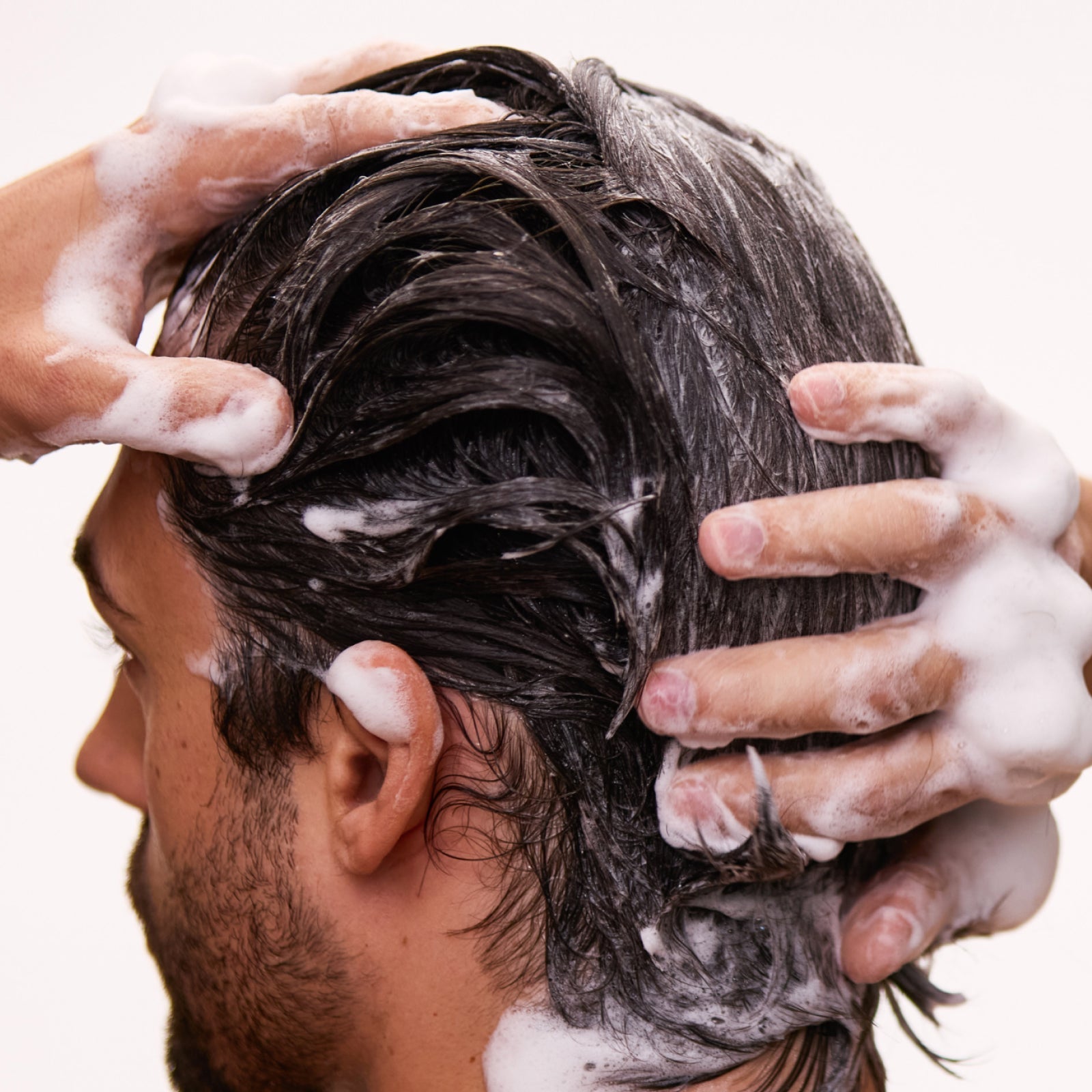
Getting the texture right was in my opinion one of the most important aspects of this formula. Many medicated shampoos can feel drying or clinical, so I wanted this to feel different. The scent is soft and calming, but not overpowering so it doesn't feel perfumy. It creates a rich, cushiony lather that effectively lifts oil and buildup without leaving the scalp stripped. If you love suds, my tip is to shampoo twice. The first won't be that bubbly because the surfactants are doing their job cleansing, not bubbling. During the second wash, with less residue present, you will usually notice more bubbles.
Shampoo alone is not a solution for every type of hair loss. But when it prepares the scalp thoughtfully and supports follicle health, it becomes a meaningful part of a comprehensive regimen.
What I Tell My Patients
If your shedding came on suddenly, or your scalp is visibly flaking, itching, or inflamed, do not spend six months cycling through shampoos hoping one of them fixes it, because a medicated formula with zinc pyrithione, selenium sulfide, or ketoconazole will address the yeast overgrowth far more directly. And if the shedding continues once the scalp is calm and comfortable, that is your signal to see a dermatologist and get bloodwork, because iron deficiency, thyroid dysfunction, and pattern hair loss are all things a cleanser was never going to touch.
 Dr. Joyce Park Dermatologist & Founder of Kerativ
How to Tell If Your Shampoo Is Helping

Improvements from a shampoo are often subtle at first. You may notice less itching and irritation, reduced flaking, a scalp that feels more comfortable and balanced, or less oil between washes.
| What you might notice | What it suggests | How long it takes |
|---|---|---|
| Less itching and flaking | Inflammation is settling down | 2 to 4 weeks |
| Scalp feels comfortable rather than tight | The barrier is recovering | 4 to 6 weeks |
| Less oil between washes | Oil and buildup are rebalancing | 6 to 8 weeks |
These are subtle improvements, not dramatic regrowth moments, but beneficial changes in scalp health can compound over months.
Remember: good things take time. Hair growth is slow. Follicles cycle gradually. When inflammation decreases and barrier function improves, the benefits often show up later in the form of stronger, more resilient strands.
What's Next
If you want the full picture of how the scalp environment shapes what grows out of it, start with how scalp health supports hair growth. If you are trying to work out your own wash frequency, how often you should wash your hair walks through it by scalp type. And if the shedding is sudden rather than gradual, telogen effluvium is the more likely explanation.
Frequently Asked Questions
Do sulfate-free shampoos actually make a difference for hair loss?
Not for hair loss itself, no. Sulfates are cleansing agents, and the reason to avoid them has more to do with how your scalp and hair feel afterward than with anything happening at the follicle. If you have a dry or sensitive scalp, color-treated hair, or textured hair, a sulfate-free formula is usually gentler and less stripping. If your scalp runs oily and you are prone to buildup, a formula with sulfates is not going to cause shedding. Match the cleanser to your scalp rather than to a marketing claim.
Can I use a medicated dandruff shampoo every day?
Most people do not need to, and some will find daily use drying. In clinic I usually start people at two or three times a week, with a gentler shampoo on the other days, and that is enough to bring the yeast overgrowth under control for the majority of patients. If your scalp is still flaking and itching after a month of consistent use, the issue is either that the formula is not right for you or that something other than seborrheic dermatitis is going on, and that is worth having looked at rather than escalating the frequency on your own.
Does shampooing cause hair to fall out?
No, but I understand why it looks that way. The hairs you see in the shower are hairs that had already completed their cycle and detached from the follicle, and washing simply dislodges them all at once rather than letting them come out gradually over the days in between. This is exactly why people who wash less often see more hair on wash day and conclude that shampooing caused it. Losing 50 to 100 hairs a day is normal. If you are consistently seeing more than that, or your ponytail feels thinner, the shampoo is not the cause and it is worth getting evaluated.
How long should I use a new shampoo before deciding whether it works?
Give it at least 6 to 8 weeks, and judge it on the scalp rather than the hair. Less itching, less flaking, a scalp that feels comfortable rather than tight, and less oil between washes are the changes that show up first, and they show up well before anything visible happens to density. Hair takes a full cycle to respond to anything, so a shampoo you have used for two weeks has not had a fair trial. Take a photo of your part in consistent lighting when you start, so you have something to compare against.
Is it worth switching shampoos if my scalp feels completely fine?
Not all shampoos are created equal. Even if you like your current shampoo, I would challenge you to expect more out of your shampoo than just cleansing. Evaluate the ingredients in your shampoo, and see if it contains extra actives that help you hydrate the scalp and hair, rebalance your scalp microbiome, visibly thicken hairs, and provide benefits even after you rinse the product off. Depending on your goals with your scalp and hair, you may be able to find a different shampoo which was specifically formulated to address your concerns.
Read more
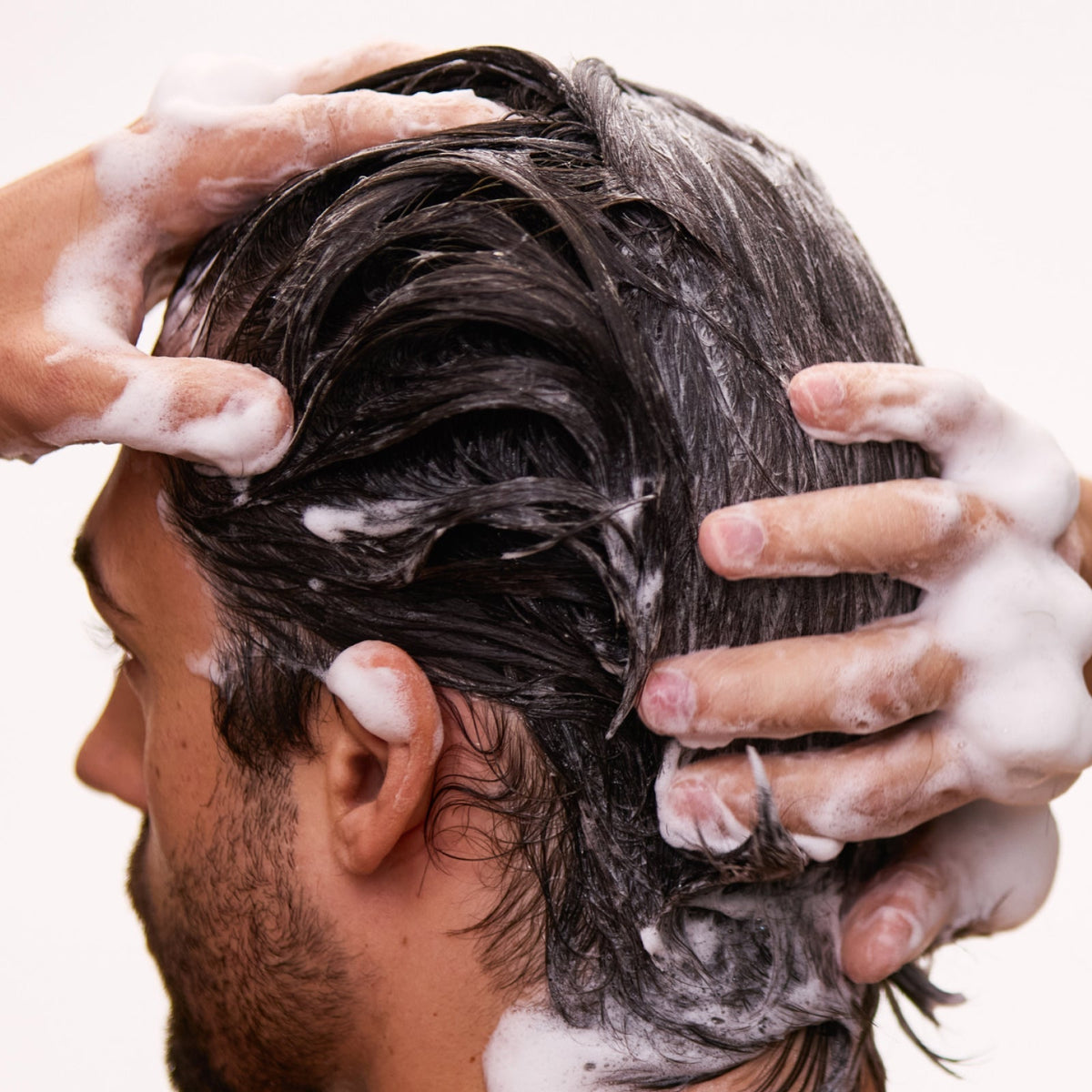
How often you should wash your hair isn’t about following a universal rule, it’s about understanding your scalp. This post breaks down how factors like oil production, hair type, sensitivity, and l...
Dealing with thinning hair can feel frustrating and overwhelming. But I want to reassure you that you’ve come to the right place!