



Proof Over Promises: Inside Kerativ’s Clinical Trial
The Clinical Study
A closer look at the clinical study behind our Redensify Treatment Serum.
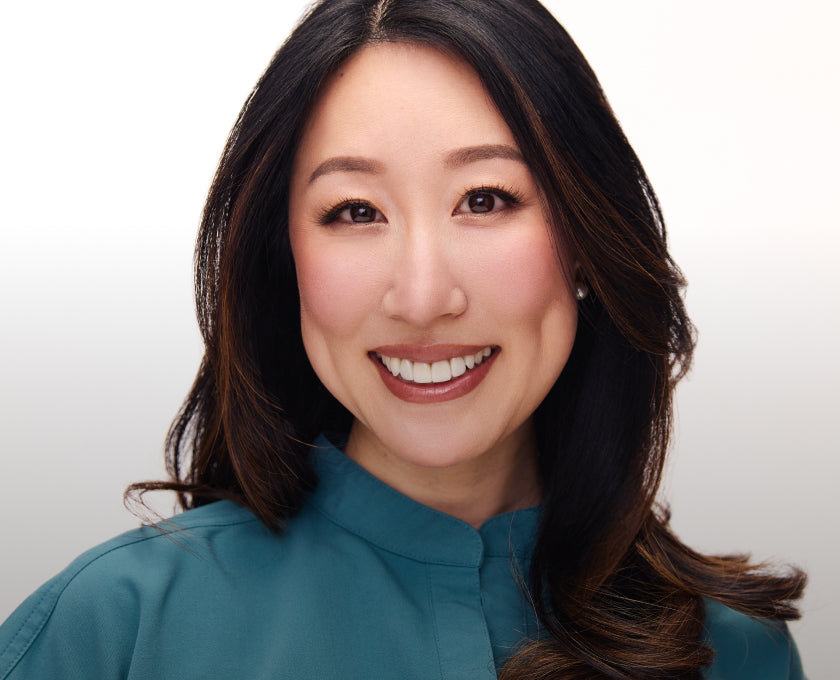
By Dr. Joyce Park, MD, Board-Certified Dermatologist and Founder of Kerativ
When I started developing Kerativ, I had one non-negotiable: If I couldn't demonstrate real efficacy through clinical testing, I wasn't going to launch it.
As a board-certified dermatologist, my recommendations have always been grounded in evidence. That standard carried into every decision behind this brand. Not just which ingredients we chose, but whether the final formula could deliver meaningful, measurable results.

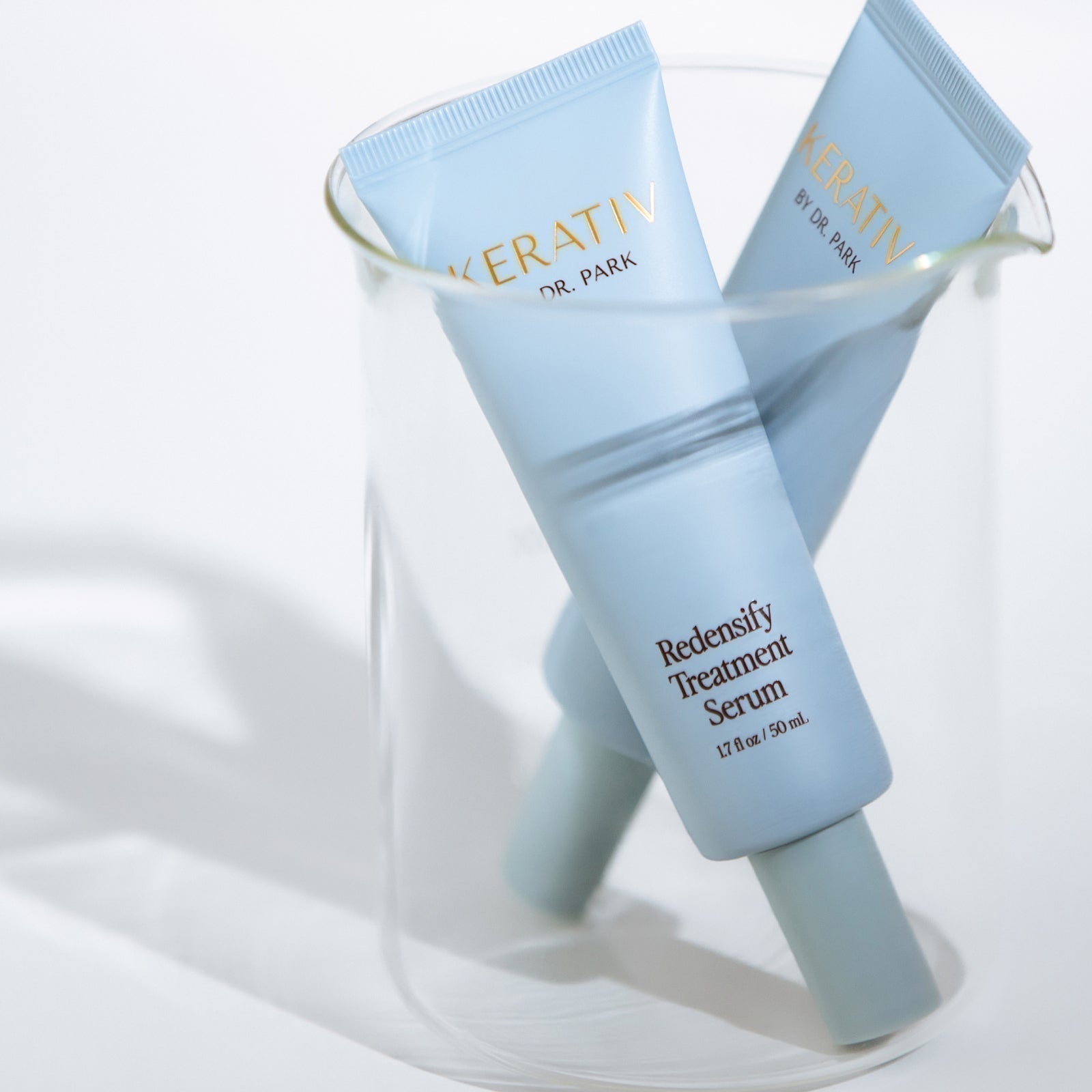
This is the full look at our completed 24-week clinical study evaluating the Kerativ Redensify Treatment Serum.
Quick Answer
We ran a 24-week clinical study of the Redensify Treatment Serum with 32 participants, combining board-certified dermatologist evaluation, standardized photography and consumer perception data. At 24 weeks, dermatologists measured a 30.4% mean increase in hair density and volume, with every participant showing improvement, and a 20% mean increase in hair thickness. Both were statistically significant.*
How We Approached Testing

Not all clinical testing in beauty is created equal. And this is where a lot of confusion comes in.
Some products rely on ingredient claims, meaning data comes from isolated ingredients tested in a lab. Think of it like evaluating each ingredient in a cake separately. That doesn't always reflect how the final formula performs.
Others rely on consumer perception studies, where participants report what they notice while using a product. These are helpful, but subjective.
You may also see before and after photography or clinical expert grading. Again, valuable, but each on its own only tells part of the story.
For Kerativ, I wanted to combine multiple approaches into one controlled study, run by an independent third party clinical testing facility in New Jersey.
- Board-certified dermatologist evaluation of hair density and volume
- Standardized photography to track visible changes over time
- Consumer perception data to capture real-world experience
- Controlled study conditions to isolate the effects of the formula
Participants were not using minoxidil or other topical hair growth treatments during the study. Those on prescription therapies were required to be on stable doses prior to enrollment.
This type of multi-layered design is often referred to as a hybrid clinical study. It's not typical for early-stage brands given the cost and complexity, but it was important to me to approach this rigorously from the start.
What I Tell My Patients
It was clear to me from the very beginning that if I ever launched a brand, I wanted robust clinical data to show efficacy. I would never want customers to waste money on something that doesn't work. Investing in this type of study at our startup stage was unusual, but extremely important to me. In addition to consumer perception studies and standardized before and after photos, I also wanted independent board-certified dermatologist evaluations at 3 months and 6 months. I needed the study to run for a full 6 months because changes in hair take a long time, even though most haircare brand studies run for a shorter period. I'm proud of what we accomplished, and the results and photos speak for themselves.
Dr. Joyce Park, MD, Board-Certified Dermatologist
What We Studied
We designed a 24-week clinical study to evaluate individuals with mild to moderate hair thinning, as determined by an independent board-certified dermatologist assessment at baseline.
The study included:
- 32 male and female participants ages 18 to 55
- Representation across multiple scalp and hair types and ethnic backgrounds
- Participants with clinically assessed thinning hair, as defined by a dermatologist at baseline
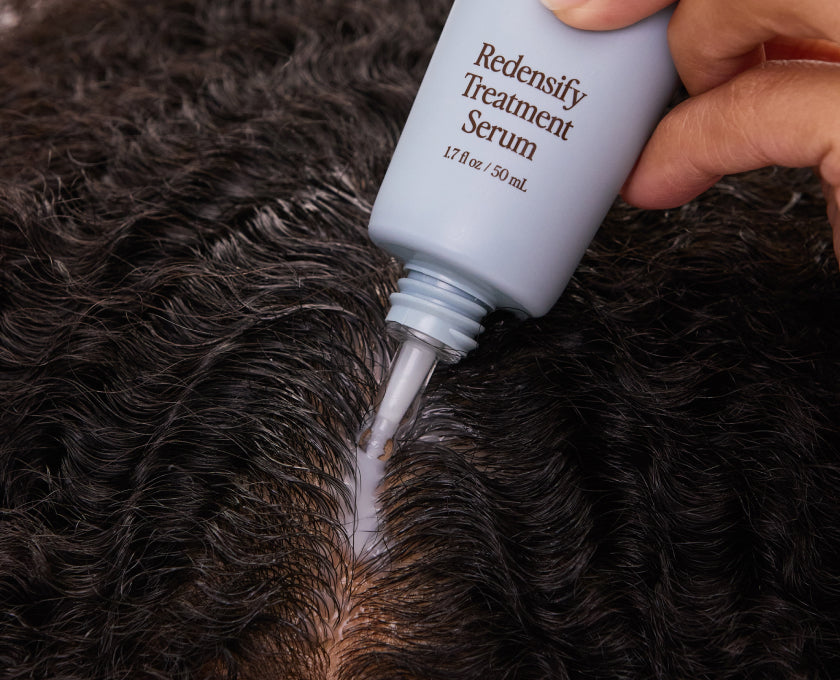
Participants applied the serum twice daily and did not introduce any new hair growth products during the study. Usage of Minoxidil prior to and during the study were prohibited.
How We Measured Results

We tracked outcomes three complementary ways.
Board-certified dermatologist evaluation
Dermatologists assessed hair density, volume, and thickness using a standardized grading scale at baseline, 12 weeks, and 24 weeks.
Standardized photography
Images were captured by the same professional photographer at baseline, 12 weeks and 24 weeks under controlled conditions, with consistent lighting, positioning and styling checked against the previous visit, a black drape to remove clothing from the frame, and no jewelry.
Consumer perception
Participants completed structured questionnaires at 6, 12, 18 and 24 weeks to report on shedding, density, and scalp health.
This mirrors how we evaluate hair loss in clinic. We combine objective assessment, patient-reported experience, and visual documentation to understand what's actually changing.
What We Observed at 24 Weeks
At 24 weeks, dermatologist assessments showed measurable improvement in hair density and volume as well as hair thickness.
- 30.4% mean increase in hair density and volume from baseline
- 100% of the subjects showed improvement in hair density and volume
- 20% mean increase in hair thickness from baseline
- 97% of the subjects showed improvement in hair thickness
- Results were statistically significant across the board (p < 0.001)
*Based on a 24-week clinical study with 32 participants with dermatologist evaluations at 12 and 24 weeks. Individual results may vary.

What Participants Noticed at 24 Weeks
Participants showed significant improvement in density and scalp health. In a consumer perception study:
- 100% agree they are satisfied with their results after six months
- 97% agree their overall hair volume looks improved
- 97% noticed an improvement in the appearance of thinning
- 97% agree areas of previous thinning appear fuller
- 91% say hair looks denser in areas of application
- 100% report increased confidence in the appearance of their hair
- 100% report less breakage
Visible improvement in hair density, volume, and scalp health were also noted by participants.
*Based on a 24-week (6-month) independent, third-party consumer perception study with 32 participants. Responses are self-reported. Individual results may vary.
What We Observed at 12 Weeks

At 12 weeks, dermatologist assessments showed measurable improvement in hair density and volume.
- 13.0% mean increase in hair density and volume from baseline
- Results were statistically significant (p < 0.001)
*Based on a 24-week clinical study with 32 participants with dermatologist evaluations at 12 and 24 weeks. Individual results may vary.
What Participants Noticed at 12 Weeks
Participant-reported outcomes aligned with the clinical findings.
- 100% agree they are satisfied with their results after three months*
- 97% agree their overall hair volume looks improved*
- 91% noticed an improvement in the appearance of thinning*
- 91% say hair looks denser in areas of application*
- 84% agree areas of previous thinning appear fuller*
Participants also noted improvements in scalp comfort, reduced breakage, and increased confidence in how their hair looked.
*Based on a 12-week independent, third-party consumer perception study with 32 participants. Responses are self-reported. Individual results may vary.
What We Saw at 6 Weeks
Hair changes happen gradually, and early data helps provide context.
- 87% found the serum soothing or calming
- 82% said their scalp felt more balanced
- 77% saw improved overall hair volume
- 72% reported reduced shedding
These early changes often reflect improvements in the scalp environment, laying the foundation for noticeable changes in hair weeks later. More visible changes in density and volume tend to follow with continued use.
*Based on a 6-week independent, third-party consumer perception study with 32 participants. Responses are self-reported. Individual results may vary.
Your Path to Visible Results

Kerativ is designed as a regimen you stay consistent with.
The Redensify Treatment Serum is clinically shown to increase hair density and volume, but like most hair treatments, results build over time. Daily use, morning and night, is what supports visible change. If you want the practical version, here is a step by step routine.
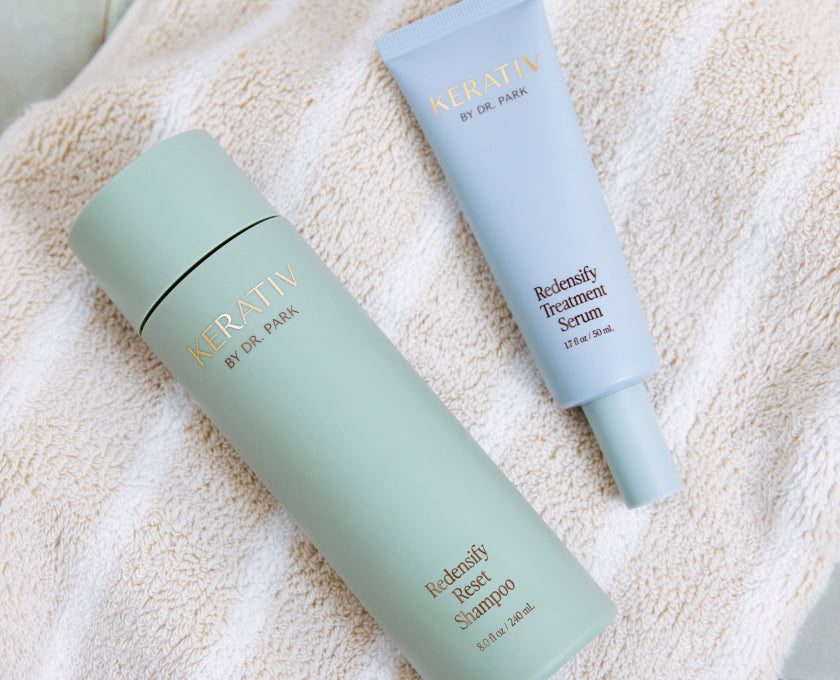
Consistency is easier when a routine fits into your life. The Redensify Treatment Serum is lightweight, fast-absorbing, and won't disrupt your hairstyle, so it's easy to use in the morning or before bed. The Reset Shampoo supports a balanced scalp, setting the foundation for how scalp health supports hair growth over time.
This is not an overnight fix: it's a method, one that is clinically shown to support denser, fuller hair with continued use.
We are so honored to be a part of your hair journey.
Frequently Asked Questions
Who actually ran the study?
The study was performed by an independent third party clinical testing facility based in New Jersey, under a named principal investigator. Kerativ did not conduct the evaluations, and subjects were never told which company made the product they were testing or who was sponsoring the study. The study was run in accordance with Good Clinical Practice regulations under Title 21 of the US Code of Federal Regulations and the Declaration of Helsinki, and every participant gave written informed consent before enrolling.
Why did you study the serum on its own rather than the whole Redensify Regimen?
I wanted to know what the serum itself does, and you cannot answer that if people are using multiple products at once. If I had tested the full regimen and seen improvement, I would not be able to tell you which part was responsible, and I would be in the same position as every brand that points at a bundle and says it works. So the clinical data on this site is for the Redensify Treatment Serum.
Who participated in the study and what were the subjects like?
We recruited diverse subjects spanning varied ethnicities, scalp types, and hair types, ranging from age 18 to 55. The diversity was written into the protocol rather than left to chance: the study was designed for roughly equal representation across Asian, Black, Hispanic and White participants, and approximately 70% women to 30% men. This was an essential component of our study because we wanted our results to be generalizable to the public, and testing the product on diverse scalp and hair types was a non-negotiable. We also had strict inclusion and exclusion criteria. Each participant needed to be diagnosed with hair thinning by an independent board-certified dermatologist in order to qualify for the study, graded as mild to moderate on the Norwood scale for men and the Savin scale for women.
What does "dermatologist-evaluated" mean, and why does it matter more than before and after photos?
It means an independent board-certified dermatologist graded hair density, volume and thickness on a standardized scale at baseline, 12 weeks and 24 weeks, rather than participants reporting how they felt their hair looked. Both kinds of evidence appear on this page and they are labelled differently on purpose. Photographs and self-reported questionnaires are genuinely useful, but I wanted to go a step further. An investigator grading against a fixed scale is harder to influence, which is why I treat that as the stronger number and why I put it first.
Did subjects use Minoxidil during the study?
Subjects could not use Minoxidil, oral or topical, or add any other new scalp or haircare product during the trial. The washout list went further than that, and it is worth seeing in full. No other hair growth serums, oils, thickening sprays or supplements in the 60 days before starting. No PRP, microneedling, exosome therapy, steroid injections to the scalp or hair transplant procedures in the previous 6 months. No prescription anti-androgens like spironolactone or finasteride unless already on a stable dose for at least 6 months. Subjects also could not change their hair length, color or style, or wear extensions or braids, for the full 6 months. We tried to control external variables to the best of our ability to attribute scalp and hair improvements to the Redensify serum.
What to Read Next
If you want the practical version of all this, a step by step routine turns it into five steps you can actually do. For the ingredients behind the formula and the studies behind them, see the ingredients with the strongest evidence behind them. And if you are wondering what a cleanser can and cannot do, what a shampoo can and cannot do covers it.
Read more

Dealing with thinning hair can feel frustrating and overwhelming. But I want to reassure you that you’ve come to the right place!
The hair advice I give my patients that actually makes a difference.